As a seasoned supplier of Abrasive Polishing Wheels, I’ve witnessed firsthand the pivotal role that the wheel’s concentricity plays in the polishing process. Concentricity is not just a technical term; it’s a fundamental aspect that can make or break the quality of the polishing work. In this blog, I’ll delve into the importance of concentricity in the polishing process, sharing insights from my years of experience in the industry. Abrasive Polishing Wheel
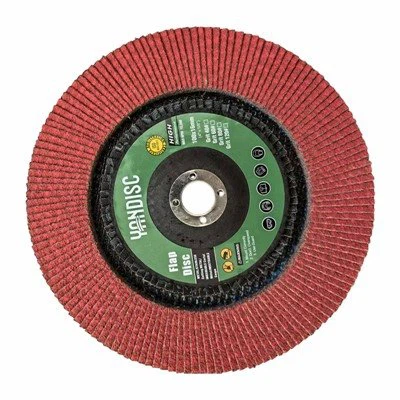
Understanding Concentricity in Abrasive Polishing Wheels
Before we explore its importance, let’s clarify what concentricity means in the context of abrasive polishing wheels. Concentricity refers to the degree to which the axis of rotation of the wheel coincides with its geometric center. In an ideal scenario, these two axes would be perfectly aligned. However, in real – world manufacturing, achieving absolute concentricity can be challenging. Even a slight deviation from perfect alignment can have significant consequences during the polishing process.
The manufacturing of abrasive polishing wheels involves multiple steps, from mixing the abrasive materials to molding and curing. Each step can potentially introduce factors that affect concentricity. For example, uneven distribution of abrasive particles during the mixing stage can lead to an imbalance in the wheel’s mass, which in turn affects its concentricity. Similarly, inaccuracies in the molding process, such as misaligned molds or improper pressure application, can also cause deviations from the ideal concentricity.
Impact on Polishing Quality
One of the most significant impacts of concentricity on the polishing process is on the quality of the final finish. When an abrasive polishing wheel has poor concentricity, it can cause uneven contact with the workpiece. As the wheel rotates, areas of the wheel may apply more pressure in some spots than others. This uneven pressure distribution results in inconsistent material removal across the surface of the workpiece.
In industries where a high – precision finish is required, such as aerospace or medical device manufacturing, even minor variations in the surface finish can render a part unacceptable. For instance, in the production of aerospace turbine blades, a smooth and uniform surface finish is crucial for aerodynamic performance. If the polishing wheel lacks proper concentricity, the blade may end up with areas of different roughness, which can lead to increased drag and reduced efficiency.
In addition to uneven surface finish, poor concentricity can also cause surface defects. As the wheel wobbles during rotation due to misalignment, it can create scratches, grooves, or other marks on the workpiece. These defects not only affect the aesthetic appearance of the part but can also compromise its structural integrity. For example, in the automotive industry, surface defects on engine components can lead to premature wear and failure, increasing maintenance costs and reducing the lifespan of the vehicle.
Influence on Tool Life
Another important aspect to consider is the impact of concentricity on the tool life of the abrasive polishing wheel itself. A wheel with good concentricity rotates smoothly and evenly, distributing the wear evenly across its surface. This means that the abrasive particles are worn down at a more consistent rate, allowing the wheel to maintain its cutting ability for a longer period.
On the other hand, a wheel with poor concentricity experiences uneven wear. As certain areas of the wheel make more contact with the workpiece than others, the abrasive particles in those areas wear out faster. This uneven wear can cause the wheel to become unbalanced, further exacerbating the concentricity problem. As a result, the wheel may need to be replaced more frequently, increasing the overall cost of the polishing process.
For example, in a large – scale metal polishing operation, the constant replacement of abrasive wheels due to poor concentricity can significantly add to the production costs. By investing in high – quality wheels with excellent concentricity, manufacturers can reduce the frequency of wheel replacements and improve the cost – effectiveness of their operations.
Safety Considerations
Concentricity also has important safety implications in the polishing process. A wheel with poor concentricity can generate excessive vibrations during rotation. These vibrations can not only affect the quality of the polishing work but can also pose a safety risk to the operator. High – frequency vibrations can cause discomfort and fatigue to the operator’s hands and arms, leading to musculoskeletal disorders over time.
Moreover, if the vibrations are severe enough, they can cause the wheel to break or disintegrate during operation. This can result in flying debris, which can cause serious injuries to the operator and others in the vicinity. In a manufacturing environment, safety is of utmost importance, and ensuring the concentricity of abrasive polishing wheels is a crucial step in preventing accidents and maintaining a safe workplace.
Achieving and Maintaining Concentricity
As a supplier of abrasive polishing wheels, we understand the importance of providing wheels with high – quality concentricity. To achieve this, we use advanced manufacturing technologies and strict quality control measures. During the manufacturing process, we carefully monitor each step to ensure that the abrasive particles are evenly distributed and the wheel is molded accurately.
We also use precision balancing equipment to check and adjust the concentricity of each wheel before it leaves our facility. This ensures that our customers receive wheels that meet the highest standards of concentricity, providing them with reliable and consistent performance.
In addition to manufacturing high – quality wheels, we also provide our customers with guidance on how to maintain the concentricity of the wheels during use. This includes proper mounting and installation of the wheels, regular cleaning and inspection, and using the wheels within the recommended operating parameters.
Conclusion
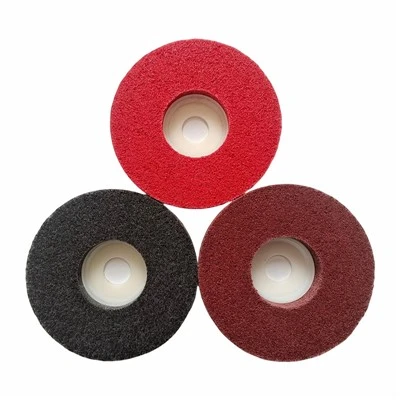
In conclusion, the concentricity of abrasive polishing wheels is a critical factor in the polishing process. It affects the quality of the final finish, the tool life of the wheel, and the safety of the operation. As a supplier, we are committed to providing our customers with wheels that have excellent concentricity, enabling them to achieve the best possible results in their polishing applications.
Aluminum Oxide Flap Disc If you are in the market for high – quality abrasive polishing wheels, I encourage you to reach out to us for a detailed discussion. Our team of experts can help you select the right wheels for your specific needs and provide you with all the support you need to ensure a successful polishing process. Let’s work together to achieve the highest levels of quality and efficiency in your operations.
References
- Doebelin, E. O. (2004). Measurement Systems: Application and Design. McGraw – Hill.
- Kalpakjian, S., & Schmid, S. R. (2009). Manufacturing Engineering and Technology. Pearson Prentice Hall.
- Nahavandi, S. (2010). Introduction to Mechatronics and Measurement Systems. McGraw – Hill.
Henan Yandisc Hardware Tools Co., Ltd.
As one of the most professional abrasive polishing wheel manufacturers and suppliers in China, our products have good reputation in the market. Please feel free to wholesale high quality abrasive polishing wheel made in China here from our factory. Customized orders are welcome.
Address: Zinan Road, High-tech Industrial Development Zone, Zhengzhou, Henan, China
E-mail: info@yandisc.com
WebSite: https://www.yandisc.com/
