If you’ve ever picked up a prescription from your local pharmacy, flipped the bottle to read the fine print, or asked your doctor how a new medication will help you feel better, you’ve probably noticed a lot of information about “active ingredients.” But have you ever stopped to think about where those ingredients come from, and how their quality shapes the safety of every drug that uses them? As someone who’s spent 12 years as an Active Pharmaceutical Ingredients (API) supplier, I can tell you this: APIs are far more than just the “working parts” of a drug. They are the foundation of every safe, effective medication on the market. Without rigorous, thoughtful API development, testing, and supply, even the most well-designed drug formulations could be dangerous or completely ineffective. Active Pharmaceutical Ingredients
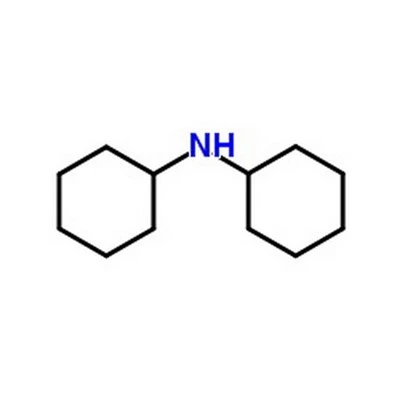
Let’s start with a basic question that a lot of people don’t ask: what exactly is an API? Put simply, an API is the chemical or biological component in a drug that does the actual job it’s meant to do. For example, the metformin that helps regulate blood sugar in type 2 diabetes is an API, the paracetamol (acetaminophen) that reduces fever and pain is an API, and the monoclonal antibodies used to treat certain cancers are APIs too. Everything else in a pill, liquid, or injection—things like fillers, binders, coatings, or preservatives—are called excipients. They help the drug hold its shape, dissolve in the right part of the body, or stay fresh on a pharmacy shelf, but only the API delivers the therapeutic effect patients rely on.
That basic definition makes it clear why APIs matter, but their role in safety runs much deeper than just being the “working part.” Let’s break down the three biggest ways API quality directly impacts drug safety: consistency, purity, and traceability. Each of these is a make-or-break factor that separates a safe, reliable medication from one that could cause harm.
First, consistency. Every time a patient takes a dose of their medication, they need to know they’re getting exactly the same amount of the API every single time. If one pill has 10% less of the diabetes API metformin than it should, their blood sugar levels could swing dangerously low or high. If a pain reliever has 15% more of its API paracetamol than approved, that could lead to liver damage over time. As an API supplier, consistency starts long before the API is even manufactured. We work closely with our partner drug manufacturers to understand their exact formulation needs, then use standardized, repeatable processes to make the API. For example, if a manufacturer needs a API that dissolves in the bloodstream within 15 minutes, we adjust our crystallization processes to ensure the API particles are the same size every batch. We test every single batch we produce—hundreds of samples every month—to confirm the API strength is within 0.5% of the required amount. No exceptions. That consistency is why a patient who takes their blood pressure medication in the morning and one at night gets the same therapeutic effect, no matter which pharmacy they pick it up from. Without consistent APIs, drug manufacturers can’t create consistent doses, and patients can’t trust their medications will work as intended.
Second, purity. This is perhaps the most critical factor when it comes to safety. APIs are chemical or biological compounds, and during the manufacturing process, small impurities can form. These impurities might be leftover chemicals from the reaction that creates the API, byproducts of the manufacturing process, or even trace amounts of contaminants from equipment or raw materials. Even tiny levels of some impurities—parts per million, not percent—can cause serious harm. For example, in the early 2000s, a generic version of a common blood thinner called warfarin had to be pulled from shelves because a supplier used an impure API that contained a harmful byproduct, leading to several patient deaths. That’s the kind of risk we take extremely seriously. As an API supplier, we follow strict global standards set by the FDA, European Medicines Agency (EMA), and other regulatory bodies, but we go above and beyond those minimum requirements. Our testing process includes 12 different purity checks for every batch, including high-performance liquid chromatography (HPLC) and mass spectrometry, which can detect impurities at levels as low as one part per billion. We also audit every single raw material supplier that provides our starting chemicals, making sure their facilities meet the same safety standards we do. For biological APIs, like the monoclonal antibodies used in cancer treatment, purity is even more important because these are made from living cells, so we test for viral contaminants and microbial growth at every step of production. A pure API isn’t just about making a drug work—it’s about making sure it doesn’t add unnecessary risks to a patient’s already vulnerable body.
Third, traceability. If there’s ever a problem with a drug—say, reports of adverse side effects or a purity issue—regulators need to be able to track every step of that drug’s journey, from API manufacturing to the pharmacy shelf. That’s called traceability, and it relies entirely on the API supply chain. Let’s say a manufacturer makes a batch of pills and a month later, a patient has a bad reaction. Regulators will ask the manufacturer for the details of the API batch they used, then ask us for the records of how that API was made, tested, and shipped. If there’s a gap in that paper trail (or digital trail, now), regulators can’t pinpoint the source of the problem, which means they can’t recall only the affected batches of drug. Instead, they might have to recall all batches of that drug, which can leave thousands of patients without their necessary medication or expose them to unnecessary risk. As an API supplier, we assign a unique serial number to every single batch we produce. That serial number is linked to every record related to that batch: raw material suppliers, production dates, testing results, shipping logs, even the team of technicians who worked on it. We share that full audit trail with every customer we work with, and our records are stored digitally and kept for 15 years past the last time a batch is used. That level of traceability isn’t just good business—it’s a safety net for patients. In 2018, when a generic version of a common acid reflux medication had to be recalled due to an impurity, our traceability system let our manufacturer customer quickly identify that our API was not part of the affected batch, so they only recalled a small portion of their product instead of the entire line. That meant patients who relied on that medication didn’t have to switch to a different drug that might not work as well for them.
I know some people might wonder: why can’t drug manufacturers just make their own APIs? Why work with a supplier like me? The truth is, API manufacturing is an incredibly complex, highly regulated process that requires specialized facilities, advanced testing equipment, and decades of experience. It’s not something a drug company can easily add to their operations, especially for small to mid-sized companies that make niche medications for rare diseases. Even large pharmaceutical companies outsource API production for many of their drugs because it allows them to focus on the formulation and patient care side of things, while we focus on the rigorous production and testing of the API. But that also means choosing the right API supplier is one of the most important decisions a drug manufacturer can make for their patients. A bad supplier—one that cuts corners on purity testing, skips consistency checks, or has poor traceability practices—can put entire populations at risk.
Over my years in this industry, I’ve seen how even small choices in API production have big impacts. Early in my career, I worked with a small biotech company that was developing a drug for a rare form of pediatric epilepsy. They were struggling to find an API supplier that could produce their API at a small enough scale while maintaining the required purity and consistency. We invested in a small, dedicated production line just for their API, even though it meant lower profits in the first two years. When their drug got FDA approval, the first patient to receive it was a 7-year-old girl who had been having seizures up to 20 times a day. A year later, her seizures were down to once a month. That story isn’t just about a successful drug—it’s about how a reliable API supplier can turn a promising treatment into a life-changing medication. That’s the reason I show up to work every day, even on the 12-hour days when we’re testing a batch at 2 a.m. to meet a tight deadline. I know that every API we make could be part of a drug that helps someone’s child, parent, or friend.
Of course, no industry is perfect, and there have been well-documented API-related safety scares over the years. In 2020, for example, several blood pressure medications were recalled because they contained an impurity called N-nitrosodimethylamine (NDMA), which is a probable carcinogen. The source of that impurity was traced back to a small API supplier in India that had skipped some manufacturing steps to cut costs. That scare highlighted a big gap in the global API supply chain: not all suppliers follow the same strict standards, and even suppliers in regulated countries can make mistakes. That’s why we work with a third-party auditor that comes to our facility every six months to inspect every part of our operations, from our storage tanks to our testing labs. We also participate in industry-wide initiatives to share data about impurities and best practices, so we can all learn from each other’s mistakes.
Another challenge the API industry faces is the shortage of certain critical APIs. In recent years, demand for some generic drug APIs has outstripped supply, and some suppliers have struggled to keep up. While that’s a logistical problem, it can have safety implications too: when supply is tight, some manufacturers might be tempted to source APIs from less reputable suppliers, cut corners on testing, or dilute doses to stretch supply. That’s why we prioritize building long-term relationships with our customers. We’ve invested in extra production capacity, so even during periods of high demand, we can deliver consistent, pure APIs without cutting corners. We also communicate openly with our customers about our production timelines and potential supply chain risks, so they can plan ahead and avoid making unsafe choices due to shortages.
At the end of the day, the link between APIs and drug safety is simple but often invisible. When a patient takes a pill, they see the label that says “generic metformin 500mg” or “atorvastatin 20mg.” They don’t see the API supplier that spent 6 months testing batches to make sure every dose is safe and effective. They don’t see the auditors who check our facilities to make sure we follow regulations. They don’t see the records that let regulators trace every step of the supply chain if something goes wrong. But all of those things are there, and they’re all critical to making sure that pill is safe to take.

If you’re a drug manufacturer looking for an API partner that prioritizes safety above all else, we’re here to work with you. We understand that every drug you make is for a patient who depends on it, and we treat every batch of API we produce as if it were for our own family. We offer custom API production, rigorous testing, full traceability, and flexible capacity to meet your needs, whether you’re a small biotech developing a rare disease drug or a large company producing hundreds of thousands of doses of a generic medication. Let’s connect and talk about how we can support your mission to provide safe, effective medications to patients around the world.
Specialty Chemicals References
- U.S. Food and Drug Administration (FDA). (2023). Current Good Manufacturing Practices (cGMP) for Active Pharmaceutical Ingredients. Retrieved from FDA.gov
- European Medicines Agency (EMA). (2022). Guideline on Active Pharmaceutical Ingredients (API): Quality, Safety and Efficacy Aspects. Retrieved from EMA.europa.eu
- World Health Organization (WHO). (2021). Guidelines for the Assessment of Pharmaceutical Quality of Active Pharmaceutical Ingredients. Retrieved from WHO.int
- International Council for Harmonisation (ICH). (2020). ICH Q7 Guideline: Good Manufacturing Practice Guide for Active Pharmaceutical Ingredients. Retrieved from ICH.org
- U.S. Food and Drug Administration (FDA). (2019). 2018 Generic Drug Recalls Linked to Impure APIs: Root Cause Analysis. Retrieved from FDA.gov
Dayang Chem (Hangzhou) Co., Ltd.
As one of the most professional active pharmaceutical ingredients manufacturers and suppliers in China, we’re featured by quality products and good service. Please feel free to buy customized active pharmaceutical ingredients made in China here from our factory. For price consultation, contact us.
Address: 9/F, Unit 2, 259# Wensan Road, Xihu District, Hangzhou Zhejiang, China
E-mail: sales@dayangchemcn.com
WebSite: https://www.dayangchem-cn.com/
