In the realm of food – processing equipment manufacturing, the selection of appropriate components is of utmost importance. One frequently asked question that I, as a Hex Head Bolts supplier, encounter is whether hex head bolts can be used in food – processing equipment. In this blog, I will delve into this topic, exploring the technical aspects, regulatory requirements, and practical considerations to provide you with a comprehensive understanding. Hex Head Bolts
Technical Suitability of Hex Head Bolts in Food – Processing Equipment
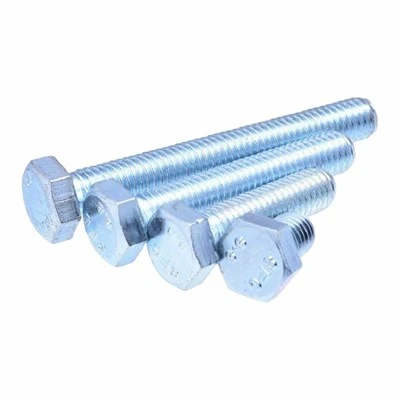
Hex head bolts are a common type of fastener characterized by their hexagonal – shaped heads, which allow for easy installation and removal using standard hex wrenches or sockets. From a technical perspective, these bolts can indeed be utilized in food – processing equipment, but several factors need to be carefully evaluated.
Material Selection
The material of hex head bolts is crucial as it directly affects their performance and safety in a food – processing environment. Stainless steel is often the material of choice. It offers excellent corrosion resistance, which is essential in food – processing areas where there may be exposure to moisture, cleaning agents, and various food substances. For instance, grade 304 stainless steel is widely used due to its good balance of corrosion resistance and cost – effectiveness. It can withstand general food – processing conditions, including mild acidic and alkaline environments.
Grade 316 stainless steel, on the other hand, is even more corrosion – resistant, especially in the presence of chlorides. In food – processing plants where salt – containing foods or brines are processed, 316 stainless steel hex head bolts are a better option to prevent rust and pitting, ensuring the long – term integrity of the equipment.
Surface Finish
A smooth and polished surface finish on hex head bolts is highly desirable in food – processing equipment. This helps to prevent the accumulation of food particles, bacteria, and other contaminants. A rough surface can create crevices where food residues can get trapped, providing a breeding ground for microorganisms. Electro – polishing is a common surface treatment method that not only gives the bolts a smooth finish but also enhances their corrosion resistance by removing a thin layer of the surface, which may contain impurities.
Thread Design
The thread design of hex head bolts also plays a role in their suitability for food – processing equipment. Coarse threads are generally easier to install and can provide a high clamping force. However, in some cases where a more precise and fine – tuned connection is required, fine – threaded hex head bolts may be preferred. Additionally, proper thread engagement is necessary to ensure a secure connection without the risk of loosening during the operation of the equipment.
Regulatory Requirements for Using Hex Head Bolts in Food – Processing Equipment
Food – processing equipment is subject to strict regulatory standards to ensure the safety and quality of the food products. When using hex head bolts in such equipment, compliance with these regulations is non – negotiable.
FDA Regulations in the United States
In the United States, the Food and Drug Administration (FDA) sets guidelines for materials that come into contact with food. Hex head bolts used in food – processing equipment must be made of materials that are considered safe for food contact. Stainless steel, when properly selected and processed, meets FDA requirements for food – grade applications. Bolts must also be free from contaminants that could potentially leach into the food, such as heavy metals or harmful chemicals.
EU Regulations
The European Union also has its own set of regulations regarding food – contact materials. The EU Directive 1935/2004/EC lays down the general safety requirements for materials and articles intended to come into contact with food. Hex head bolts used in food – processing equipment within the EU must comply with these regulations, including ensuring that they are made from approved materials and do not transfer substances to the food in quantities that could endanger human health or bring about an unacceptable change in the composition of the food.
Other International Standards
Many other countries and regions have their own food – safety standards for equipment components. For example, in Canada, the Canadian Food Inspection Agency (CFIA) enforces regulations related to food – contact materials. It is essential for food – processing equipment manufacturers to be aware of and comply with the relevant regulations in the markets where their products will be sold.
Practical Considerations for Using Hex Head Bolts in Food – Processing Equipment
Beyond the technical and regulatory aspects, there are several practical considerations when choosing to use hex head bolts in food – processing equipment.
Ease of Maintenance
Food – processing equipment requires regular cleaning and maintenance to ensure food safety. Hex head bolts are relatively easy to access and remove, which simplifies the disassembly and reassembly process during maintenance. This is an advantage compared to some other types of fasteners that may be more difficult to work with, potentially leading to longer downtime during maintenance operations.
Compatibility with Equipment Design
The design of the food – processing equipment itself must be considered when using hex head bolts. The bolts should be properly sized and positioned to ensure a secure and stable connection. Over – tightening or under – tightening the bolts can lead to issues such as equipment vibration, misalignment, or even failure. It is important to follow the manufacturer’s torque specifications when installing hex head bolts in food – processing equipment.
Cost – Effectiveness
Cost is always a factor in any equipment – manufacturing decision. Hex head bolts are generally a cost – effective option compared to some specialized fasteners. When choosing the right bolts for food – processing equipment, it is necessary to balance the cost with the required performance and compliance with regulations. While high – end stainless steel bolts may be more expensive, they can also offer better long – term performance and durability, reducing the need for frequent replacements.
Conclusion

In conclusion, hex head bolts can be used in food – processing equipment, provided that the right materials are selected, appropriate surface finishes are applied, and all relevant regulatory requirements are met. As a Hex Head Bolts supplier, I understand the importance of offering high – quality products that meet the specific needs of the food – processing industry.
Anchor Bolts If you are in the food – processing equipment manufacturing business and are looking for reliable hex head bolts, I invite you to reach out for more information. We can discuss your specific requirements and help you select the most suitable hex head bolts for your equipment. Our team of experts is ready to provide you with professional advice and support to ensure that you get the best products for your applications.
References
- "FDA Food Contact Substances Notification Program", U.S. Food and Drug Administration.
- "Directive 1935/2004/EC of the European Parliament and of the Council on materials and articles intended to come into contact with food", European Union.
- "Canadian Food Inspection Agency Food Safety Regulations", Canadian Food Inspection Agency.
Handan Jihao Fastener Co., Ltd.
We’re known as one of the most professional hex head bolts manufacturers and suppliers in China. With abundant experience, we warmly welcome you to wholesale customized hex head bolts made in China here from our factory. If you have any enquiry about cooperation, please feel free to email us.
Address: A2, Row 31, Feiyu Screw World, Hebei Pu, Linmengguan Town, Yongnian District, Handan City, Hebei Province
E-mail: wenzhaona0@gmail.com
WebSite: https://www.chinaboltnut.com/
