Hey there, fellow farming enthusiasts! I’m a supplier of Functional Amino Acid Fertilizer, and I’ve been getting a lot of questions lately about how our product affects the growth of fungi in soil. So, I thought I’d take a deep – dive into this topic and share what I’ve learned. Functional Amino Acid Fertilizer
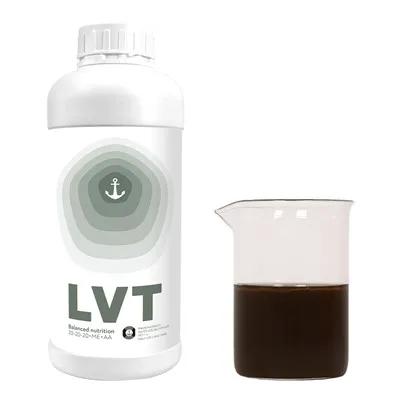
Now, first off, let’s talk a bit about fungi in soil. Fungi are like the unsung heroes of the soil ecosystem. They play a crucial role in breaking down organic matter, making nutrients more accessible to plants. Some fungi form a symbiotic relationship with plant roots, known as mycorrhizae. These mycorrhizal fungi help plants absorb water and nutrients more efficiently, and in return, the plants provide the fungi with sugars.
So, how does our Functional Amino Acid Fertilizer fit into all of this? Well, amino acids are the building blocks of proteins, and they’re essential for both plant and microbial life, including fungi. Our fertilizer is packed with a variety of functional amino acids that are designed to enhance plant growth in many ways, but what about its impact on soil fungi?
One of the key things about our fertilizer is that it provides a readily available source of nitrogen and other essential nutrients. Fungi need nitrogen to grow and reproduce, just like plants do. When we apply our amino – acid fertilizer to the soil, it can potentially increase the nitrogen availability in the soil. This extra nitrogen can act as a food source for the fungi, promoting their growth.
In some studies, it’s been shown that amino – acid – based fertilizers can stimulate the activity of soil – dwelling fungi. The increased activity can lead to better decomposition of organic matter. This is great because as the fungi break down stuff like dead leaves and plant residues, they release nutrients that the plants can then take up. For example, phosphorus, which is often bound up in organic matter, becomes more available to the plants when fungi do their work.
Another aspect is the effect on mycorrhizal fungi. Many farmers rely on these symbiotic fungi to improve the health and productivity of their crops. Our functional amino – acid fertilizer may encourage the formation and development of mycorrhizal associations. The amino acids can act as signaling molecules that attract the fungi to the plant roots. Once the mycorrhizae are established, it’s a win – win situation. The plants get better access to water and nutrients, and the fungi get a supply of carbohydrates from the plants.
But it’s not all sunshine and rainbows. There could be a potential downside if the application is not done correctly. If we over – fertilize with our amino – acid product, it might create an imbalance in the soil ecosystem. Too much nitrogen can sometimes lead to an overgrowth of certain types of fungi at the expense of others. This can disrupt the natural balance of the soil microbiome. For example, some aggressive saprophytic fungi might outcompete the beneficial mycorrhizal fungi.
To avoid these issues, it’s important to follow the recommended application rates. We’ve worked hard to figure out the optimal doses of our Functional Amino Acid Fertilizer for different types of soils and crops. By doing so, we can ensure that we’re promoting the growth of the right kind of fungi in the soil.
I’ve also had some conversations with farmers who have been using our fertilizer. One farmer in the Midwest told me that after switching to our amino – acid fertilizer, he noticed an improvement in the soil structure. He believes it’s because of the increased fungal activity. The fungi were binding the soil particles together, creating a more porous and aerated soil environment. This, in turn, made it easier for plant roots to grow and access nutrients.
Another farmer in the South mentioned that his crops seemed to be more resistant to diseases after using our fertilizer. It’s possible that the enhanced fungal activity played a role here. Some soil fungi can produce antibiotics and other bioactive compounds that can suppress the growth of plant – pathogenic fungi and bacteria.
So, overall, the answer to whether our Functional Amino Acid Fertilizer has an impact on the growth of fungi in soil is a big yes. But like any good thing, it needs to be used wisely. When used correctly, it can have a positive influence on the soil fungi population and, as a result, benefit your crops in many ways.
If you’re a farmer looking to improve your soil health and crop yields, I’d highly recommend giving our Functional Amino Acid Fertilizer a try. It’s formulated based on the latest scientific research, and we’ve seen great results from our customers. Whether you’re growing corn, wheat, fruits, or vegetables, our fertilizer can make a difference.
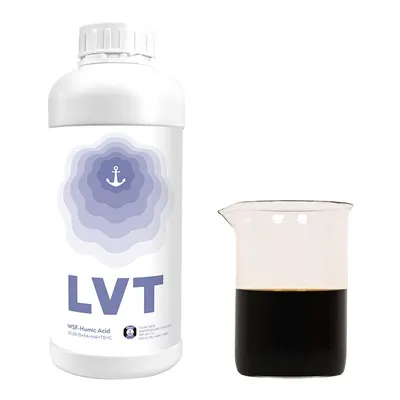
If you’re interested in learning more or want to start a procurement discussion, don’t hesitate to reach out. We’re always happy to chat about how our product can fit into your farming operations. Let’s work together to make your fields as productive and healthy as possible!
Macroelement Water Soluble Fertilizer References
- Smith, S. E., & Read, D. J. (2008). Mycorrhizal symbiosis. Academic press.
- Marschner, P. (2012). Marschner’s mineral nutrition of higher plants. Academic press.
- Geisseler, D., & Scow, K. M. (2014). Impact of different organic amendments on soil fertility and soil biological properties: a short – term field study. Biology and fertility of soils, 50(3), 229 – 239.
Weifang Lvweite Bio-Tech Co., Ltd.
With abundant experience, we are one of the leading manufacturers and suppliers of functional amino acid fertilizer in China. Please rest assured to buy bulk high quality fertilizers made in China here from our factory. If you have any enquiry about cooperation, please feel free to email us.
Address: No. 6 Xinchuan Rd, Xin’an Street, Anqiu City, Shandong, China
E-mail: info@lvtfertilizer.com
WebSite: https://www.lvtfertilizer.com/
