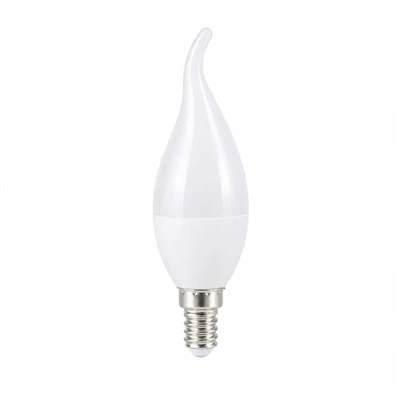
When it comes to lighting solutions, T-shaped bulbs have long been a popular choice in various settings, from residential homes to commercial spaces. As a supplier of T-shaped bulbs, I often get inquiries about the performance of these bulbs, especially in challenging environmental conditions. One common question that frequently arises is whether T-shaped bulbs work well in cold temperatures. This blog post aims to delve into this topic and provide you with a comprehensive understanding of how T-shaped bulbs fare in cold weather. T Shaped Bulbs
Understanding the Basics of T – shaped Bulbs
T-shaped bulbs, also known as straight tubular bulbs, come in different sizes and types, such as T5, T8, and T12, where the number after the ‘T’ represents the diameter of the bulb in eighths of an inch. These bulbs are widely used due to their energy – efficiency, long lifespan, and relatively low cost. They are available in both fluorescent and LED technologies, and each technology responds differently to cold temperatures.
Fluorescent T – shaped Bulbs
Fluorescent T – shaped bulbs operate based on the principle of gas discharge. Inside the bulb, there is a small amount of mercury vapor and an inert gas. When an electric current is passed through the bulb, it excites the mercury vapor, which then emits ultraviolet light. The ultraviolet light is then converted into visible light by the phosphor coating on the inside of the bulb.
Performance in Cold Temperatures
Cold temperatures can significantly affect the performance of fluorescent T – shaped bulbs. At low temperatures, the mercury vapor inside the bulb may condense, making it more difficult for the gas to be excited by the electrical current. This can lead to several issues:
- Slow Start – up: Fluorescent bulbs may take longer to reach full brightness in cold weather. In extremely cold conditions, they may even flicker or fail to start altogether. This is because the lower temperature reduces the mobility of the mercury atoms, and it takes more energy to initiate the gas – discharge process.
- Reduced Light Output: Once the bulb does start, its light output may be reduced compared to normal operating conditions. The lower temperature can cause the phosphor coating to be less efficient at converting ultraviolet light into visible light, resulting in a dimmer glow.
- Shorter Lifespan: Frequent cold – start situations can also shorten the lifespan of fluorescent T – shaped bulbs. Each time the bulb struggles to start, it puts additional stress on the electrodes and other internal components, which can lead to premature failure.
However, there are some ways to mitigate these problems. For example, using fluorescent bulbs with a cold – weather coating can help improve their performance in low – temperature environments. Additionally, installing the bulbs in a well – insulated fixture or using a pre – heater can also enhance the start – up and overall performance of the bulbs.
LED T – shaped Bulbs
LED (Light – Emitting Diode) T – shaped bulbs have gained popularity in recent years due to their numerous advantages over traditional fluorescent bulbs. LEDs are semiconductor devices that convert electrical energy directly into light, without the need for gas discharge.
Performance in Cold Temperatures
LED T – shaped bulbs generally perform much better in cold temperatures compared to their fluorescent counterparts. Here’s why:
- Instant Start – up: LEDs do not rely on gas excitation, so they can start instantaneously, even in extremely cold conditions. There is no need for a warm – up period, and the bulbs reach full brightness immediately.
- Consistent Light Output: The light output of LED T – shaped bulbs remains relatively stable in cold temperatures. In fact, some studies have shown that LEDs can be more efficient at lower temperatures, as the cooler environment helps to dissipate heat more effectively, which can improve the overall performance of the semiconductor chips.
- Longer Lifespan: Cold temperatures do not have a significant negative impact on the lifespan of LED bulbs. In fact, the reduced heat stress in cold environments can sometimes extend the lifespan of LED components.
However, it’s important to note that not all LED T – shaped bulbs are created equal. The performance of an LED bulb in cold temperatures can depend on several factors, such as the quality of the LED chips, the design of the heat sink, and the type of driver used. High – quality LED bulbs with proper thermal management are more likely to perform well in cold conditions.
Practical Applications in Cold Environments
Given the different performance characteristics of fluorescent and LED T – shaped bulbs in cold temperatures, the choice between the two depends on the specific application.
Residential Use
In residential settings, such as garages or outdoor sheds, LED T – shaped bulbs are often the better choice for cold – weather lighting. Their instant start – up and consistent light output make them more convenient and reliable. For example, if you’re working in your garage on a cold winter day, you don’t want to wait for a fluorescent bulb to warm up before you can start your project.
Commercial and Industrial Use
In commercial and industrial settings, such as warehouses or cold storage facilities, the choice may depend on the budget and the specific requirements of the space. Fluorescent T – shaped bulbs may still be used in some cases due to their lower initial cost. However, for applications where instant lighting and high – quality illumination are crucial, LED T – shaped bulbs are becoming the preferred option.
As a T – shaped Bulbs Supplier
As a supplier of T – shaped bulbs, I understand the importance of providing our customers with the right lighting solutions for their specific needs. Whether you’re dealing with cold – weather conditions or not, we offer a wide range of T – shaped bulbs in both fluorescent and LED technologies.
If you’re looking for bulbs that can perform well in cold temperatures, I highly recommend considering our LED T – shaped bulbs. Our LED bulbs are sourced from reputable manufacturers and are designed to provide reliable and efficient lighting, even in the harshest of environments.
We also have a team of experts who can help you choose the right bulbs for your specific application. Whether you need advice on bulb size, color temperature, or energy efficiency, we’re here to assist you every step of the way.
Conclusion
In conclusion, the performance of T – shaped bulbs in cold temperatures depends largely on the technology used. Fluorescent T – shaped bulbs can face challenges such as slow start – up, reduced light output, and shorter lifespan in cold weather. On the other hand, LED T – shaped bulbs offer instant start – up, consistent light output, and a longer lifespan, making them a better choice for cold – temperature applications.
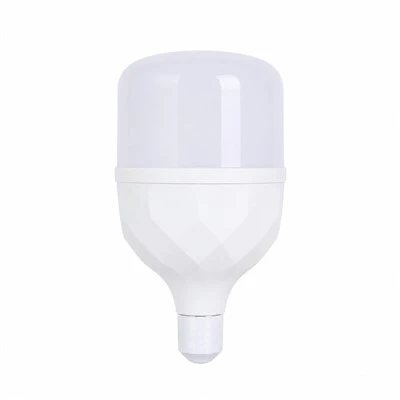
T Shaped Light Bulb If you’re in the market for T – shaped bulbs, especially for use in cold environments, I encourage you to reach out to us. We’re committed to providing high – quality lighting solutions and excellent customer service. Let’s have a conversation about your lighting needs, and we’ll work together to find the best T – shaped bulbs for your project.
References
- "Lighting Handbook: Reference and Application", Illuminating Engineering Society of North America.
- "LED Lighting Technology: Applications and Challenges", various industry research papers on LED performance in different environmental conditions.
Hangzhou Lin’an Mingfeng Electric Parts Co., Ltd.
We are one of the most experienced t shaped bulbs manufacturers and suppliers in China since 1996. We warmly welcome you to wholesale customized t shaped bulbs made in China here from our factory. If you have any enquiry about pricelist and quotation, please feel free to email us.
Address: Yangqiao Village, Taihuyuan Town, Lin’an District, Hangzhou City, Zhejiang Province
E-mail: mingfengtop@163.com
WebSite: https://www.mingfengtop.com/
