As a leading supplier of pipe production materials, I often encounter inquiries from customers regarding the differences between polyethylene (PE) and polypropylene (PP). These two polymers are widely used in the pipe industry, each with its unique properties, advantages, and limitations. Understanding these differences is crucial for making informed decisions when selecting the most suitable material for specific applications. Pipe Production Materials

Material Composition and Structure
Polyethylene is a thermoplastic polymer made from the monomer ethylene. It is characterized by its long, linear chains of carbon atoms with hydrogen atoms attached. The simplicity of its molecular structure gives polyethylene its flexibility and toughness. The density of polyethylene can vary significantly, which is categorized into different types such as low – density polyethylene (LDPE), linear low – density polyethylene (LLDPE), and high – density polyethylene (HDPE). Each type has distinct physical and mechanical properties based on its molecular arrangement and degree of branching.
On the other hand, polypropylene is a thermoplastic polymer derived from the monomer propylene. Its molecular structure contains a methyl group attached to every other carbon atom in the polymer chain. This methyl group gives polypropylene a more rigid and crystalline structure compared to polyethylene. Polypropylene can also exist in different forms, including homopolymer and copolymer. Polypropylene homopolymer is made up of only propylene monomers, while polypropylene copolymer contains a small amount of another monomer, usually ethylene, which can modify its properties.
Physical Properties
Density
One of the most apparent differences between polyethylene and polypropylene is their density. HDPE, a common type of polyethylene used in pipe production, has a density ranging from 0.941 to 0.965 g/cm³. In contrast, polypropylene has a lower density, typically between 0.895 and 0.92 g/cm³. This difference in density means that polypropylene pipes are lighter than their polyethylene counterparts of the same size. The lower weight of polypropylene pipes can be an advantage in applications where ease of handling and transportation is crucial, such as in large – scale construction projects.
Melting Point
The melting points of polyethylene and polypropylene also differ. Polyethylene has a relatively lower melting point compared to polypropylene. HDPE typically melts in the range of 120 – 130°C, while polypropylene has a higher melting point, usually between 160 – 170°C. This higher melting point makes polypropylene more suitable for applications where the pipes may be exposed to higher temperatures. For example, in some industrial processes that involve hot fluids, polypropylene pipes can maintain their structural integrity better than polyethylene pipes.
Stiffness and Flexibility
Polyethylene is known for its flexibility, especially LDPE and LLDPE. These types of polyethylene can be easily bent and shaped without cracking, making them ideal for applications where flexibility is required, such as in irrigation systems or underground drainage pipes. HDPE also has a good balance of flexibility and strength.
Polypropylene, due to its more crystalline structure, is stiffer than polyethylene. Its stiffness allows polypropylene pipes to maintain their shape under pressure and resist deformation better. In applications where the pipes need to withstand high internal or external pressures without significant deflection, polypropylene is often the preferred choice, such as in high – pressure plumbing systems.
Chemical Resistance
Both polyethylene and polypropylene have good chemical resistance, but they differ in their resistance to specific chemicals.
Polyethylene is highly resistant to many acids, alkalis, and salts. It is also resistant to water and moisture, which makes it suitable for use in water supply and drainage systems. However, it can be affected by some organic solvents and oxidizing agents. For example, in environments where the pipes may come into contact with certain petroleum – based solvents, polyethylene pipes may experience swelling or degradation over time.
Polypropylene has excellent chemical resistance to a wide range of chemicals, including many organic solvents. It is more resistant to oxidation and UV radiation compared to polyethylene. This makes polypropylene pipes a good choice for outdoor applications or in chemical processing plants where the pipes may be exposed to harsh chemicals and sunlight.
Mechanical Properties
Tensile Strength
Tensile strength refers to the maximum stress a material can withstand while being stretched or pulled before breaking. Polypropylene generally has a higher tensile strength than polyethylene. This means that polypropylene pipes can withstand greater pulling forces without rupturing. In applications such as pipe installation in areas with high soil movement or where the pipes need to be pulled through conduits, polypropylene pipes may offer better performance.
Impact Resistance
Polyethylene, particularly HDPE, has excellent impact resistance. It can absorb a significant amount of energy without cracking or breaking, even at low temperatures. This property makes HDPE pipes suitable for use in cold climates or in applications where the pipes may be subject to impact, such as in underground utility lines.
Polypropylene has relatively lower impact resistance compared to HDPE, especially at low temperatures. However, the impact resistance of polypropylene can be improved by using copolymers or by adding impact modifiers during the manufacturing process.
Cost and Availability
The cost of polyethylene and polypropylene can vary depending on market conditions, raw material prices, and the type of polymer. Generally, polyethylene is more widely available and often less expensive than polypropylene. This is due in part to the large – scale production of polyethylene and the abundance of its raw material, ethylene.
However, the cost – effectiveness of each material should be evaluated based on the specific application requirements. In some cases, the higher initial cost of polypropylene pipes may be offset by their longer service life and better performance in certain environments.
Applications
Polyethylene Pipes
- Water Supply and Drainage: HDPE pipes are extensively used in water supply systems due to their excellent corrosion resistance, flexibility, and long service life. They are also commonly used in drainage systems, both above – ground and underground, because of their ability to withstand soil pressure and resist blockages.
- Gas Distribution: HDPE pipes are suitable for gas distribution networks due to their high – density and good toughness, which provide reliable performance and safety.
- Irrigation: The flexibility and low cost of LDPE and LLDPE make them ideal for irrigation systems, where the pipes need to be easily installed and bent around corners.
Polypropylene Pipes
- Chemical Processing: Polypropylene pipes’ excellent chemical resistance makes them a popular choice in chemical processing plants for transporting various chemicals, acids, and alkalis.
- Hot Water Systems: The high melting point and good heat resistance of polypropylene make it suitable for hot water supply systems in residential and commercial buildings.
- Electrical Conduits: Polypropylene’s stiffness and resistance to UV radiation make it a good material for electrical conduits, protecting electrical wires from environmental damage.
Conclusion
In conclusion, both polyethylene and polypropylene have their unique characteristics, advantages, and disadvantages. The choice between the two materials depends on a variety of factors, including the specific application requirements, chemical environment, temperature conditions, mechanical stress, and cost considerations.
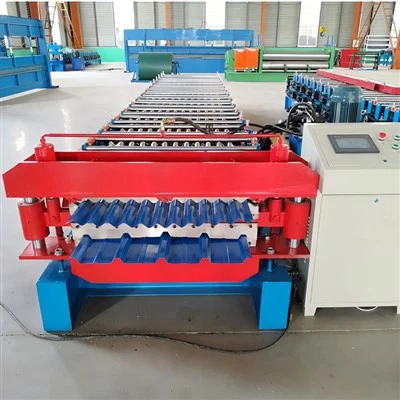
As a supplier of pipe production materials, we understand the importance of providing our customers with the right information to make the best decision. We have a wide range of polyethylene and polypropylene products to meet different needs. Whether you are looking for flexible and cost – effective polyethylene pipes or high – performance polypropylene pipes, we can offer you the most suitable solutions.
Steel Pipe Production Line If you are interested in our products or have any questions about polyethylene and polypropylene for pipe production, please feel free to contact us for further discussion and procurement negotiations. We are committed to providing you with high – quality materials and excellent customer service.
References
- "Polymer Science and Technology" by Rayment, Ian, and Ian D. Hutchings.
- "Handbook of Thermoplastics" by Ophardt, Charles E.
- Technical literature from leading polymer manufacturers on polyethylene and polypropylene.
Tianjin Binhai Yashanway Import and Export Co., Ltd.
Tianjin Binhai Yashanway Import and Export Co., Ltd. is one of the most reliable pipe production materials manufacturers and suppliers in China, also supports customized service with low price. Welcome to wholesale bulk pipe production materials made in China here from our factory. Contact us for quotation.
Address: B-508, Xiangnian Plaza, Dongjiang Road, Hexi District, Tianjin, China
E-mail: crystal@yashanway.com
WebSite: https://www.yashanway.com/
