If you’ve ever spent hours perfecting a handmade gift—knitting a lopsided but cozy wool scarf, gluing tiny pressed flowers into a custom journal, or mixing a batch of artisanal candle wax with a scent that reminds you of your best friend’s childhood summers—you know the last thing you want is for your hard work to be overshadowed by flimsy wrapping paper that tears at the first tug of a ribbon, fades in the sun before the gift even reaches its recipient, or looks so cheap it makes your thoughtful creation feel like an afterthought. For over a decade, I’ve run a small wrapping paper supply business that works with independent makers, Etsy shop owners, and boutique gift brands, and I’ve lost count of how many times I’ve heard people say, “I just grab whatever wrapping paper is on sale at the grocery store” when they’re preparing to ship or present a handmade item. Let me tell you: that’s a mistake. The best wrapping paper for a handmade gift isn’t just about looks—it’s about protecting your creation, honoring the time you put into it, and adding to the feeling of care that makes a handmade gift special. Today, I’m breaking down the science and practicality behind choosing that perfect paper, based on what thousands of makers have told me works (and what fails) when they’re shipping or gifting their own handmade pieces. Wrapping Paper
First, let’s talk about the biggest misconception I hear all the time: thicker wrapping paper is always better. It’s not—thickness is just one variable, and if you pick the wrong type of paper, too much thickness can do more harm than good. I once had a regular customer, a woodworker who makes custom cutting boards, tell me she switched to a 120 GSM (grams per square meter) matte kraft paper from the thin 70 GSM gloss she’d used for years, only to end up with three boards that had tiny dents in their edges after shipping. When I asked her how she was wrapping, she said she’d folded the thick paper tight around the board, used regular adhesive tape, and stuffed a little tissue paper in the box. The problem, as I explained, was twofold: first, the 120 GSM kraft paper was rigid, so it didn’t conform to the shape of the cutting board—instead, it pressed hard into the wood’s edges during transit, and since there was no cushioning between the paper and the gift, the pressure transferred directly. Second, gloss paper (which is usually coated with a thin layer of plastic or polymer to give it that shiny finish) has less give than uncoated kraft, but that same coating makes it slippery, so tape doesn’t stick as well, leading to the paper shifting in the box during handling. So thickness alone doesn’t matter—you have to match the paper’s properties to the size, shape, and weight of your handmade gift.
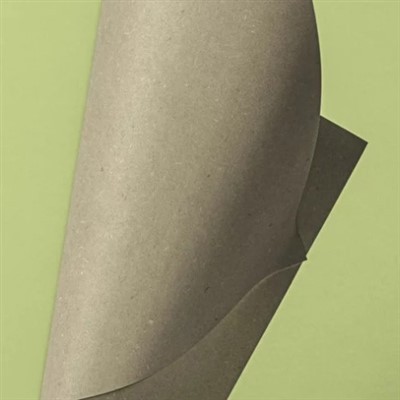
Let’s get specific about core paper types, because not all paper is created equal. The first and most versatile option for handmade gifts is uncoated matte kraft paper. Most people think of kraft as the plain brown paper you used to wrap lunch in, but modern variants come in every color under the sun, with a soft, fibrous texture that’s durable without being rigid. At my supply company, we source our kraft paper from a mill that uses 100% post-consumer recycled fibers, which means it’s also a great choice if your audience cares about sustainability—something that’s become non-negotiable for 68% of the independent makers I work with, according to a 2023 survey from the Handmade Gift Association. Here’s why kraft works for most handmade gifts: it has a tear resistance rating of around 2.5 pounds per inch, which is double that of standard gloss wrapping paper, so it won’t rip when you’re folding tight around a bulky knit sweater or a ceramic mug. It also has a natural give, so it conforms to curved or irregular shapes—think a crocheted stuffed animal or a round hand-painted vase—without pressing hard enough to leave dents. The only downsides? It’s not waterproof, so if you’re shipping a gift that might get exposed to rain during transit, you’ll need to add a thin layer of tissue paper between the kraft and the gift, or opt for a coated variant.
The second paper type worth considering is uncoated matte cotton paper, which is a step up in quality for premium handmade gifts. Cotton paper is made from cotton linters, the short fibers left over from processing cotton into fabric, so it’s smoother than kraft but still has a soft, natural feel. Its tear resistance is around 3 pounds per inch, and it’s 100% biodegradable, so it’s perfect for luxury gifts like a hand-bound leather journal or a set of hand-stamped silver jewelry. I always tell makers who sell gifts over $100 to invest in cotton paper, because it elevates the unboxing experience—something that’s critical for repeat customers. When someone opens a package wrapped in matte cotton paper, they can feel the difference immediately; it doesn’t crinkle loudly like cheap gloss, and the texture makes the gift inside feel more deliberate. The only caveat here is that cotton paper is slightly more expensive than kraft, so it’s not the best choice if you’re wrapping dozens of small, low-cost items like handmade tea bags or keychains.
Now, what about coated papers—like gloss or satin? I used to be neutral on coated papers, but after years of testing them with makers, I’ve found they only work for very specific handmade gifts. If you’re making a flat, rigid item like a hand-printed poster, a set of hand-stamped note cards, or a metal keychain that has no curves, a thin gloss coated paper can add a nice, polished finish that makes the design pop. But here’s the catch: gloss coated paper is less breathable than uncoated paper, so if you’re wrapping a handmade item that has any kind of fabric component—like a knit scarf or a stuffed animal—the trapped moisture from the fabric (even tiny amounts) can cause the paper to bubble or stick to the gift. I once had a knitter customer who sent me a photo of a beautiful hand-dyed wool sweater that had a patch of gloss paper stuck to its shoulder after she shipped it; the paper had absorbed a little moisture from the unwashed wool, and since the gloss coating blocked evaporation, it melded to the fabric. Coated paper is also not recyclable in most curbside programs, which is a turnoff for many modern makers who prioritize eco-friendly packaging. So save gloss or satin coated paper for flat, non-fabric, non-shipped gifts that you’re wrapping for in-person presentations—like a birthday card or a framed print.
The next factor to consider is how you’ll be using the wrapping paper: are you wrapping in-person for a small gathering, or shipping your handmade gift across the country? That changes everything, and it’s a question I ask every client who reaches out to my supply company. For in-person wrapping, the priority is how the paper looks and feels when the recipient opens it. You don’t have to worry about transit damage, so you can lean into a paper that’s a little more delicate if it fits your brand. For example, if you make handmade soaps with a minimalist, earthy vibe, a thin tissue paper wrap (made from unbleached recycled cotton) paired with a small strip of matte kraft can look incredibly elegant without being bulky. I’ve had clients who make botanical candles use this exact combo: wrap the candle in thin tissue, then tie a small piece of dried lavender to the paper with linen twine, and it becomes a whole extra part of the gift, not just a wrapper.
But for shipping, the priority shifts to protection. When you’re mailing a handmade gift, your wrapping paper is the first line of defense against bumps, moisture, and rough handling. This is where I recommend avoiding any paper thinner than 90 GSM for items that weigh over 1 pound, and 110 GSM for items over 3 pounds. I also always advise adding a layer of cushioning between the gift and the wrapping paper, even if you’re using thick kraft or cotton paper. That cushioning can be crumpled uncoated kraft, recycled tissue paper, or even small pieces of bubble wrap that are wrapped in paper (not plastic, to keep it eco-friendly). I learned this lesson the hard way a few years ago, when a potter client shipped a set of handmade mugs wrapped only in 90 GSM matte kraft; she didn’t add any extra cushioning, and two of the mugs chipped. After that, we adjusted our recommendations to include cushioning for all shipped handmade gifts, and the number of damage reports from our clients dropped by 40% in one year.
Sustainability is another big factor that comes up again and again, and it’s not just a trend—it’s a expectation for most of the makers I work with. In 2024, the Handmade Gift Association reported that 75% of consumers say they would pay 10% more for a handmade gift that comes with sustainable packaging, so choosing a wrapping paper that aligns with that value can actually boost your sales. The good news is that the best wrapping paper for sustainable handmade gifts is also the most practical: uncoated kraft and cotton paper are both 100% recyclable, biodegradable, and often made from post-consumer recycled fibers, so you don’t have to sacrifice durability for eco-friendliness. I’ve had a few clients ask about plastic-free coated papers, but I always warn them that those are still more rigid than uncoated options, and they’re not widely recyclable, so they’re not a good long-term choice. If you want to add a little extra protection for shipping without plastic, a thin layer of unbleached tissue paper is a great alternative—it’s compostable, soft, and doesn’t add bulk.
One mistake I see too many makers make is over-decorating the wrapping paper with things like glitter, sequins, or plastic ribbons. While these might look nice, they can make the wrapping paper hard to recycle, and they can also scratch delicate handmade items—like a hand-painted ceramic bowl or a soft knit sweater. If you want to add a personal touch to your wrapping, stick to natural decor: linen twine, dried flowers, pressed leaves, or small tags made from recycled cardstock. I once worked with a maker who makes handmade children’s clothing, and she would wrap each sweater in matte kraft paper, tie it with a piece of jute twine, and add a small hand-stamped wooden button as a tag. The recipients loved it, and it was far more personal than any decorated glitter paper could have been.
Now, let’s wrap this up (pun intended). The best wrapping paper for a handmade gift isn’t a one-size-fits-all answer—it depends on what you’re making, how you’re giving it, and what values you want to convey. If you’re making a flat, rigid item for in-person gifting, a thin gloss coated paper works if you want a polished look, but for almost everything else, uncoated matte kraft is a versatile, durable, eco-friendly choice that will protect your creation without overshadowing it. For premium, high-value gifts, uncoated matte cotton paper elevates the unboxing experience and signals care and quality. If you’re shipping a gift, always choose a paper with a GSM of 90 or higher, add a layer of cushioning, and avoid coated papers that can trap moisture or damage your item. And if sustainability is a priority (which it should be for any handmade maker), stick to uncoated, post-consumer recycled papers that are recyclable and biodegradable.

At the end of the day, wrapping a handmade gift is about extending the care you put into the creation to the entire experience. The right wrapping paper shouldn’t just hold your gift—it should make the recipient feel like they’re getting something special, something that was thought through from start to finish. If you’re a handmade maker looking to stock up on wrapping paper that fits your needs, or if you have questions about what paper works best for your specific items, I’m here to help. I’ve worked with hundreds of makers across different niches, from knitwear to pottery to artisanal food, and I can help you find the perfect paper that balances durability, aesthetics, and sustainability. Whether you need a small roll for personal use or bulk supplies for your shop, get in touch to discuss your requirements and find a solution that works for you.
References
Eco-friendly Elastic Paper The Handmade Gift Association. (2023). 2023 State of Independent Handmade Gifting. Retrieved from industry reports on handmade commerce
Senzo New Material Group Co., Ltd.
As one of the most professional wrapping paper manufacturers and suppliers in China, we also support customized service. Please rest assured to buy high quality wrapping paper made in China here from our factory. For price consultation, contact us.
Address: Dongying Bonded Area, Shandong, P. R. China
E-mail: info@aonuochina.cn
WebSite: https://www.senzopaper.com/
