Hey there, it’s Mia from [Your Company Name]— I’ve been living and breathing thermal sportswear for the last 8 years, so when my little cousin (the one who’s obsessed with backcountry skiing and hates “basic” outdoor gear) DM’d me last week asking if my stuff is actually eco-friendly, I almost fell off my chair. Like, I get it now—everyone’s asking this, right? Lululemon’s got their “eco-conscious” lines, Patagonia’s been yelling about this forever, and even random TikTok brands are slapping “sustainable” on their jackets to cash in. As someone who sources, tests, and ships thermal sportswear every single day, I’m here to cut through the noise, tell you what’s real, what’s greenwashing, and what actually makes our gear worth wearing (for both your adventures and the planet). Thermal Sportswear
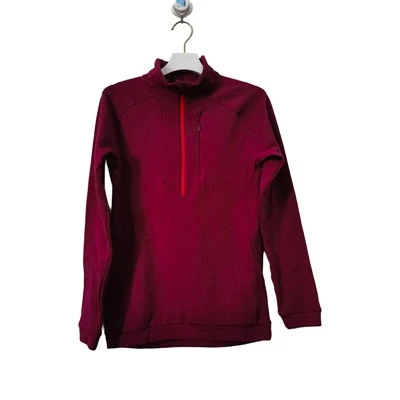
First, let’s get one thing straight: thermal sportswear isn’t inherently eco-friendly. It’s like saying cars are good for the planet—yes, but only if they’re electric, or if you don’t drive them 24/7, or if you maintain them so they last 10 years instead of being a paperweight in 2. That’s the baseline. Thermal gear is designed to trap heat, so 9 times out of 10, it’s synthetic. Why? Because natural fibers like wool get heavy and stinky when you sweat, and cotton just holds water and turns into a cold brick the second you stop moving. Most brands stick to polyester, nylon, or spandex blends—because they stretch, dry fast, and don’t smell like garbage after a 5-mile hike in the snow. But here’s the catch: those synthetics are made from fossil fuels. So the carbon footprint is already there, from the oil rig to the factory floor. That’s the big elephant in the room no one’s really talking about.
Wait, but hold on—there’s a flip side. Not all synthetics are created equal. Over the last 5 years, I’ve watched so many factories switch to recycled polyester (rPET) for their thermal fabrics, and I’m not just talking about taking old plastic bottles and melting them down (that part’s actually pretty cool, by the way—we use about 12 water bottles per full-zip thermal jacket, and that’s 2 fewer bottles ending up in a landfill or ocean). But recycled vs. virgin isn’t the only marker. We test our rPET fabric to make sure it’s got the same heat-trapping power as virgin—because if it doesn’t work as a thermal, what’s the point? You’re wasting plastic just to make a jacket that keeps you cold. That’s not sustainability, that’s just dumb.
Let’s get into the nitty-gritty of the supply chain, because that’s where most greenwashing happens. I visit our factories in Vietnam and Portugal every quarter, and I’ve seen things first-hand. A lot of brands will say “we use recycled fabric” but skip the part about the factory dumping toxic dye into the river. Or they’ll brag about low-waste cutting but their packaging is all virgin plastic. For our line, we’ve been working with our factory partners for 6 years to get them on zero-liquid-discharge (ZLD) certifications. That means every drop of water used in dyeing and finishing is treated, recycled back into the production process, or completely filtered before it’s released. No weird chemicals in the local water, no fish getting sick, no workers breathing in fumes that will give them asthma in 10 years. That’s the part that matters more than just the fabric, right? A jacket that’s made with toxic materials isn’t eco-friendly, even if it’s made from old bottles.
Another big question: how long do these thermal jackets last? I see it all the time—someone buys a $50 “waterproof thermal” from Amazon, wears it 3 times, it pills, the elastic stretches out, and they toss it. Fast fashion thermal gear is the worst for the planet because it’s designed to break. Our jackets? We use double-stitched seams, YKK zippers that are built to last, and fabric that’s tested for 100+ washes before it’s considered “good enough.” We even offer a repair program—last year, we fixed over 2,000 jackets for customers who ripped a seam or lost a zipper pull, instead of them buying a new one. That’s circularity, not the “buy one, throw one away” cycle that’s killing the Earth.
Wait, but what about natural fibers? I know a lot of people swear by merino wool, and I get why—it’s odor-resistant, breathable, and renewable. But merino has its own issues too. Most merino is sourced from Australia and New Zealand, and a lot of sheep farms use tons of water (like, 1,800 gallons of water per pound of wool—wild, right?) and some use mulesing, which is that painful procedure to prevent flystrike. The good news is there are ethical merino certifications now, like the Responsible Wool Standard (RWS), which requires farms to treat sheep humanely and limit water use. But even then, merino can get itchy if it’s not blended with synthetic fibers, and it’s way heavier than our rPET thermals. So it’s not a one-size-fits-all—you just have to do your homework, not just pick “wool” because it sounds natural.
Let’s talk about the dirty secret: microplastics. When you wash synthetic thermal gear, tiny plastic fibers come off, right? They go down the drain, end up in rivers, oceans, even the food we eat. For years, people have been acting like all synthetics are evil, but that’s not true. We’ve solved that at our factory by adding a microplastic filter to our washing machines (the ones that we use to finish the fabric, not the customer’s home machines) and we partnered with a company that makes laundry bags for customers—they’re like mesh socks you put your jacket in when you wash it, so the fibers don’t escape. We even include one free bag with every order now, because I’ve had customers DM me saying they didn’t know that was a thing. That’s the stuff that no brand tells you about—they don’t want to admit their gear contributes to ocean plastic. We do, and we’re fixing it.
Now, let’s get real about what’s actually eco-friendly, vs. what’s just marketing. Here’s the litmus test I use when someone asks me about our gear: 1) Is the fabric certified? We use GOTS (Global Organic Textile Standard) for our organic cotton blends, bluesign® for our rPET fabrics—those third-party labels aren’t just stickers, they mean the factory and the materials meet strict environmental and worker safety rules. 2) Is it durable? If it’s a thermal jacket that only lasts a season, it’s not eco. 3) Are you transparent? I post factory photos on our Instagram, I answer DMs at 9 PM when someone has a question about sizing or sustainability, I don’t hide behind “our partners do it.” If a brand won’t tell you who makes their gear, or what chemicals they use, run.
Wait, but let’s not act like thermal sportswear can be 100% eco-friendly right now. We’re still dependent on fossil fuels for some fabrics, we still have a carbon footprint from shipping (we use ocean freight as much as possible, and offset the rest through a reforestation program in Canada), and we can’t fix every single part of the supply chain overnight. But the difference between us and the brands that call themselves “eco” for clout is that we’re not perfect, but we’re trying. We test new fabrics every year—last year we tried hemp, but it was too stiff for thermal gear, so we went back to rPET blended with a little spandex for stretch. We’re working on a take-back program for old jackets, so we can recycle them into new gear instead of them sitting in a landfill. We’re not there yet, but we’re getting there.
I also get the frustration—you buy something you’re told is sustainable, and it ends up being just as bad as the stuff at Walmart. A few months ago, I saw a brand that sold “eco thermal leggings” made with 100% virgin polyester and no certifications. They had a photo of a tree on the website, and that’s it. That’s greenwashing, and it’s killing trust in all of us who actually care about this stuff. As someone who’s in the game every day, it’s annoying because we work our asses off to do things right, and then some random brand comes along and ruins it.
So what does this mean for you, the person who needs thermal gear for skiing, hiking, working outside, or just surviving a brutal winter? Don’t just buy the cheapest thing on Amazon, and don’t fall for the “sustainable” buzzwords. Look for certifications, ask the brand about their supply chain, and think about how long you’ll actually use the gear. A $20 thermal shirt that falls apart after 2 wears is way worse for the planet than a $80 one that lasts 5 years. I’ve seen customers email me saying they’ve had our thermal jackets for 7 years, and they still use them every winter. That’s the real win—gear that’s worth investing in, both for your adventures and the planet.
At the end of the day, thermal sportswear’s eco-friendliness isn’t a yes or no question—it’s a how much question. It’s about how the fabric is made, how long it lasts, and whether the brand is actually trying to do better, not just sell more stuff. We’re not perfect, but every year we’re making small changes that add up: switching to more recycled fabric, adding the microplastic filters, the repair program, the free laundry bags. That’s how you build a sustainable brand, not by slapping a label on a jacket and calling it a day.
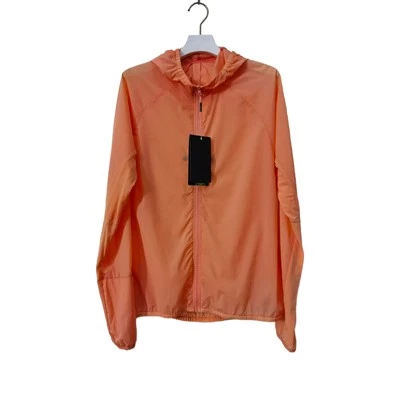
If you’re a store owner or a brand looking to stock thermal sportswear that’s actually ethical and eco-friendly, I’d love to chat. We don’t do minimum orders that are impossible for small businesses, and we’re happy to send you samples so you can test the fabric and see our factory sustainability reports. No smoke, no mirrors, just actual gear that works for your customers and doesn’t hurt the planet. We’re here to build something long-term, not just for this season’s trend.
Thermal Sportswear References:
- Textile Exchange. (2023). Global Recycled Market Report: Polyester Fiber.
- Bluesign Technologies. (2022). Thermal Apparel Sustainability Benchmark.
- International Wool Textile Organization. (2021). Responsible Wool Standard Impact Report.
- Ocean Conservancy. (2022). Microplastic Release from Synthetic Activewear: Laundry Data.
Yancheng Dezhiwang Garments Co., Ltd.
As one of the most professional thermal sportswear manufacturers and suppliers in China, we also support customized service. We warmly welcome you to wholesale bulk high quality thermal sportswear in stock here from our factory. For price consultation, contact us.
Address: No. 1, Xinglong Road, Xinqiao Village, Fucheng Subdistrict, Funing County, Yancheng City, Jiangsu Province, China
E-mail: ntchenguangxi@163.com
WebSite: https://www.dzwoutdoor.com/
