Hey there! I’m a supplier of linen oil, and I often get asked about how our product performs in outdoor conditions. Well, let’s dive right into it and explore the ins and outs of using linen oil outside. Linen Oil
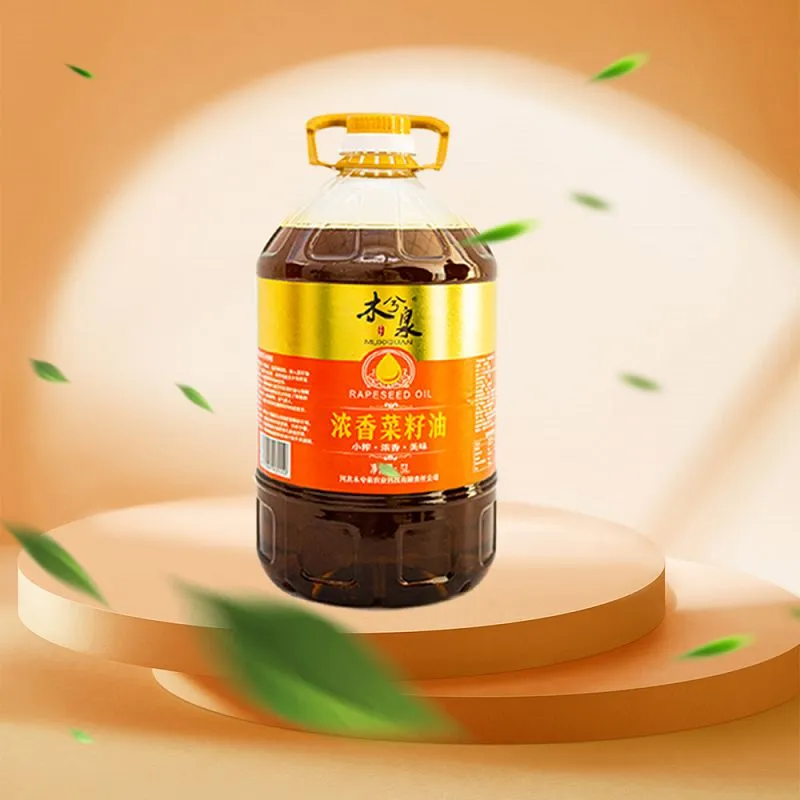
First off, what is linen oil? It’s derived from the flax plant, and it’s been used for centuries for various purposes, from painting to wood finishing. One of the great things about linen oil is its natural origin. It’s eco – friendly, which is a big plus these days.
When it comes to outdoor use, the performance of linen oil is quite remarkable. Let’s start with its protective properties. Outdoor furniture, wooden fences, and even some outdoor sculptures are constantly exposed to the elements – sun, rain, wind, and humidity. Linen oil forms a protective layer on the surface it’s applied to. This layer acts as a shield against moisture. When water hits a surface treated with linen oil, it beads up and rolls off instead of seeping into the material. This is crucial because moisture can cause wood to rot, warp, or develop mold.
The sun can also be a major enemy of outdoor materials. Ultraviolet (UV) rays can fade colors and break down the structure of wood and other surfaces. Linen oil has some natural UV – resistant properties. It doesn’t block all UV rays, but it does slow down the fading process. So, if you’ve got a beautiful wooden bench in your garden, applying linen oil can help keep its color and integrity for longer.
Another aspect of its performance in outdoor conditions is its durability. Once it dries, linen oil forms a hard, yet flexible film. This flexibility is important because outdoor materials expand and contract with changes in temperature. A rigid coating would crack and peel as the material moves, but the flexible film of linen oil can adapt to these changes. It means that the protection it provides lasts longer, and you don’t have to re – apply it as often.
Now, let’s talk about the application process. Applying linen oil outdoors is relatively straightforward. You just need to make sure the surface is clean and dry. Any dirt, dust, or old paint should be removed before application. You can use a brush, a cloth, or a sprayer to apply the oil. It’s important to work in thin, even coats. Multiple thin coats are better than one thick coat because they allow the oil to penetrate the material more effectively.
After applying the oil, it takes some time to dry. The drying time can vary depending on the temperature and humidity. In warm, dry conditions, it might dry in a day or two. But in cooler, more humid weather, it could take a few days. During the drying process, it’s important to keep the treated surface protected from rain and dirt.
One of the things I love about linen oil is its versatility. It can be used on different types of outdoor materials. Wood is the most common, but it can also be used on some types of stone and even metal in certain cases. For example, if you have a wrought – iron fence, a light coat of linen oil can help prevent rust.
However, like any product, linen oil has its limitations. It’s not a miracle solution for all outdoor problems. In extremely harsh conditions, such as areas with heavy saltwater exposure or very high levels of pollution, the protection it provides might be reduced. Also, if the surface is not properly prepared before application, the oil might not adhere well, and the protection won’t be as effective.
Another thing to keep in mind is that linen oil is flammable when wet. So, when you’re applying it outdoors, make sure there are no open flames or sources of ignition nearby. And always store the oil in a cool, dry place away from heat and fire.
Now, let’s compare linen oil with some other outdoor finishes. There are synthetic finishes available that claim to offer better protection. While they might have some advantages in terms of quick drying and high – gloss finishes, they often contain chemicals that are not as environmentally friendly as linen oil. Linen oil, on the other hand, is a natural product that’s safe for the environment and for people who come into contact with the treated surfaces.
In terms of cost, linen oil is a cost – effective option in the long run. Although the initial cost might be a bit higher than some other finishes, its durability means you don’t have to re – apply it as often. This can save you money over time.
So, if you’re looking for a natural, effective, and durable solution for your outdoor surfaces, linen oil is definitely worth considering. Whether you’re a homeowner looking to protect your garden furniture or a professional in the outdoor construction industry, our linen oil can meet your needs.
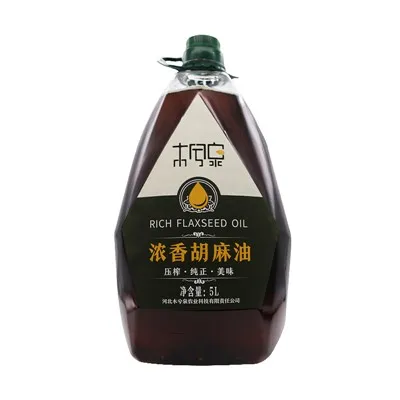
If you’re interested in learning more about our linen oil or want to discuss a potential purchase, don’t hesitate to reach out. We’re here to answer any questions you might have and help you find the right product for your outdoor projects.
Flax Seed Oil References:
- "The Handbook of Natural Finishes" by John K. Lindquist
- "Wood Finishing: A Complete Guide" by Bob Flexner
Yuxian Whale Crocodile Biotechnology Co., Ltd.
As one of the leading linen oil manufacturers and suppliers in China, we warmly welcome you to wholesale bulk high quality linen oil for sale here from our factory. Good service and reasonable price are available.
Address: 200 Meters South Of Yongquanzhuang Village, Yongquanzhuang Township, Yu County, Zhangjiakou City, Hebei Province
E-mail: 15128342834@163.com
WebSite: https://www.mxqoils.com/
