As a dedicated supplier of Glycoluril Resin, I often encounter inquiries from customers regarding the shelf-life of this remarkable product. Understanding the shelf-life is crucial for both suppliers and users, as it directly impacts product quality, performance, and overall cost-effectiveness. In this blog, I will delve into the factors that influence the shelf-life of Glycoluril Resin, provide practical guidelines for its storage, and offer insights into how to maximize its longevity. Glycoluril Resin
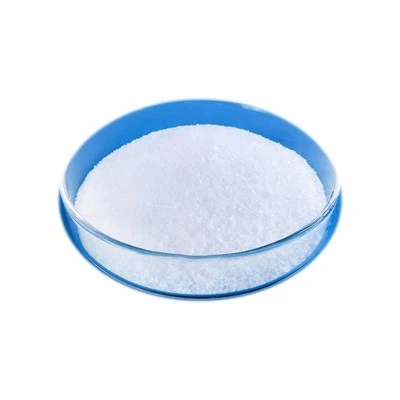
Understanding Glycoluril Resin
Before we explore the shelf-life, let’s briefly review what Glycoluril Resin is and its common applications. Glycoluril Resin is a thermosetting resin derived from the reaction of glycoluril with formaldehyde. It is known for its excellent chemical resistance, high hardness, and good adhesion properties. These characteristics make it a popular choice in various industries, including coatings, adhesives, inks, and molded plastics.
In the coatings industry, Glycoluril Resin is used to formulate high-performance paints and varnishes that provide superior protection against corrosion, abrasion, and weathering. In the adhesive industry, it is employed to create strong and durable bonds between different substrates. In the ink industry, it enhances the printability and durability of inks, while in the molded plastics industry, it improves the mechanical properties and dimensional stability of plastic parts.
Factors Affecting the Shelf-Life of Glycoluril Resin
The shelf-life of Glycoluril Resin is influenced by several factors, including storage conditions, chemical composition, and packaging. Let’s take a closer look at each of these factors:
Storage Conditions
One of the most critical factors affecting the shelf-life of Glycoluril Resin is storage conditions. Glycoluril Resin is a sensitive material that can be easily affected by temperature, humidity, and exposure to light and air. Therefore, it is essential to store it in a cool, dry, and dark place away from direct sunlight and heat sources.
The ideal storage temperature for Glycoluril Resin is between 5°C and 30°C (41°F and 86°F). Temperatures above 30°C can accelerate the curing process of the resin, leading to a shorter shelf-life and reduced performance. On the other hand, temperatures below 5°C can cause the resin to become viscous or even solidify, making it difficult to handle and use.
Humidity is another important factor to consider. High humidity levels can cause the resin to absorb moisture from the air, which can lead to hydrolysis and degradation of the resin. Therefore, it is recommended to store Glycoluril Resin in a low-humidity environment with a relative humidity of less than 60%.
Exposure to light and air can also have a negative impact on the shelf-life of Glycoluril Resin. Ultraviolet (UV) light can cause the resin to yellow and degrade over time, while oxygen in the air can react with the resin and cause oxidation. To minimize the effects of light and air, it is advisable to store Glycoluril Resin in opaque containers with tight-fitting lids.
Chemical Composition
The chemical composition of Glycoluril Resin can also affect its shelf-life. Different formulations of Glycoluril Resin may have different reactivity and stability, depending on the type and amount of monomers, catalysts, and additives used. For example, resins containing high levels of reactive monomers may have a shorter shelf-life than those with lower levels of reactivity.
In addition, the presence of impurities or contaminants in the resin can also accelerate its degradation. Therefore, it is important to ensure that the raw materials used in the production of Glycoluril Resin are of high quality and free from impurities.
Packaging
The packaging of Glycoluril Resin plays a crucial role in protecting it from environmental factors and extending its shelf-life. The packaging should be made of materials that are resistant to moisture, oxygen, and light, such as plastic or metal containers with airtight seals.
In addition, the packaging should be labeled with clear instructions on storage and handling, including the recommended storage temperature, humidity, and shelf-life. This information will help users to store the resin correctly and ensure its quality and performance over time.
Typical Shelf-Life of Glycoluril Resin
Under normal storage conditions, the shelf-life of Glycoluril Resin is typically between 6 and 12 months. However, this can vary depending on the factors mentioned above, such as storage conditions, chemical composition, and packaging.
If the resin is stored in a cool, dry, and dark place away from direct sunlight and heat sources, and the packaging is intact and airtight, it can maintain its quality and performance for up to 12 months. On the other hand, if the resin is exposed to high temperatures, humidity, light, or air, its shelf-life may be significantly reduced.
It is important to note that the shelf-life of Glycoluril Resin is a guideline, and the actual performance of the resin may vary depending on the specific application and usage conditions. Therefore, it is recommended to test the resin before using it, especially if it has been stored for an extended period.
Maximizing the Shelf-Life of Glycoluril Resin
To maximize the shelf-life of Glycoluril Resin, it is important to follow the following guidelines:
Proper Storage
As mentioned earlier, proper storage is crucial for extending the shelf-life of Glycoluril Resin. Store the resin in a cool, dry, and dark place away from direct sunlight and heat sources. The ideal storage temperature is between 5°C and 30°C, and the relative humidity should be less than 60%.
In addition, make sure to store the resin in its original packaging or in a container that is resistant to moisture, oxygen, and light. Keep the container tightly sealed to prevent air and moisture from entering.
Avoid Contamination
Contamination can accelerate the degradation of Glycoluril Resin and reduce its shelf-life. Therefore, it is important to avoid contamination during storage and handling. Make sure to use clean tools and equipment when handling the resin, and avoid exposing it to dust, dirt, or other contaminants.
In addition, do not mix different batches or formulations of Glycoluril Resin, as this can lead to chemical reactions and affect the quality and performance of the resin.
Regular Inspection
Regular inspection of the stored Glycoluril Resin is essential to ensure its quality and performance. Check the resin for any signs of degradation, such as changes in color, viscosity, or odor. If you notice any signs of degradation, do not use the resin, as it may not perform as expected.
In addition, keep track of the storage time of the resin and use it within the recommended shelf-life. If you need to store the resin for an extended period, make sure to follow the proper storage guidelines and test the resin before using it.
Conclusion
In conclusion, the shelf-life of Glycoluril Resin is an important consideration for both suppliers and users. By understanding the factors that influence the shelf-life of the resin, following the proper storage guidelines, and taking steps to maximize its longevity, you can ensure that the resin maintains its quality and performance over time.
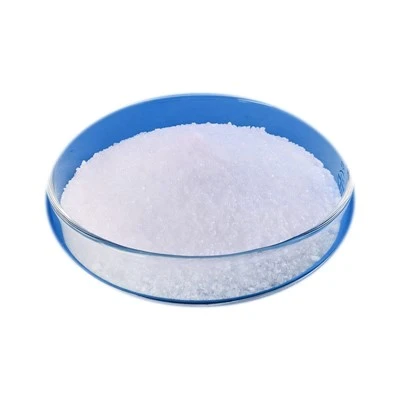
As a supplier of Glycoluril Resin, we are committed to providing our customers with high-quality products and excellent service. If you have any questions or concerns about the shelf-life of our products, or if you would like to learn more about how to use and store Glycoluril Resin, please do not hesitate to contact us. We would be happy to assist you and provide you with the information you need.
Nitrophosphate Series Products Whether you are a manufacturer, a distributor, or an end-user, we are confident that our Glycoluril Resin products will meet your needs and exceed your expectations. So why not get in touch with us today to discuss your requirements and explore how we can help you achieve your goals?
References
- "Glycoluril Resin: Properties, Applications, and Market Trends" – Chemical Engineering Journal
- "Storage and Handling Guidelines for Thermosetting Resins" – Polymer Science Reviews
- "Factors Affecting the Shelf-Life of Resins" – Journal of Applied Polymer Science
Yuncheng Tianhua Chemical Co., Ltd.
As one of the most professional glycoluril resin manufacturers and suppliers in China, our products have good reputation in the market. Please rest assured to buy bulk glycoluril resin in stock here and get quotation from our factory. For price consultation, contact us.
Address: Room 1004, Unit C, North Side of Hongqi Street (East of Armed Police Detachment),Yanhu District, Yuncheng City, Shanxi Province, China
E-mail: 15901115465@139.com
WebSite: https://www.ycthchemical.com/
