Hey there! I’m a supplier of sound – absorbing materials, and I often get asked this question: Are there any sound – absorbing materials that can be painted? Well, let’s dive right into it. Sound-absorbing Materials
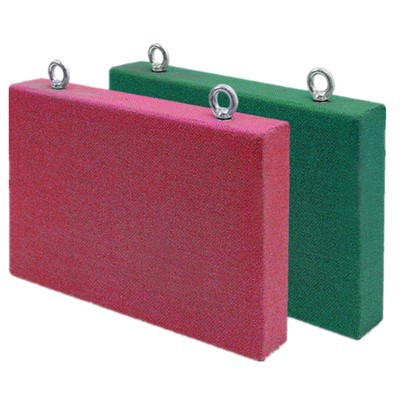
First off, why would you want to paint sound – absorbing materials? There are a bunch of reasons. Maybe you’re using these materials in a space where aesthetics matter, like a home theater, a recording studio, or a fancy office. You want the sound – absorbing panels to blend in with the overall decor. Painting them can help you achieve that seamless look.
Now, let’s talk about some of the sound – absorbing materials that can handle a coat of paint.
Fiberglass Insulation
Fiberglass insulation is one of the most common sound – absorbing materials out there. It’s made of fine glass fibers that trap sound waves and reduce noise. The good news is that fiberglass insulation can be painted. But there are a few things to keep in mind.
When you’re painting fiberglass, you need to use the right type of paint. Water – based paints are usually a good choice because they’re less likely to damage the fiberglass. You also want to make sure the fiberglass is clean and dry before you start painting. If there’s any dust or debris on the surface, the paint might not adhere properly.
Another thing to consider is the thickness of the paint. You don’t want to apply too thick a layer because it could reduce the sound – absorbing properties of the fiberglass. A thin, even coat is usually best.
Mineral Wool
Mineral wool is another great sound – absorbing material. It’s made from natural minerals like basalt or slag, and it has excellent sound – insulation properties. Just like fiberglass, mineral wool can be painted.
Before painting mineral wool, you should give it a light sanding to create a rough surface for the paint to stick to. This will help the paint adhere better and last longer. Again, water – based paints are a good option. You can choose a color that matches your decor, whether it’s a neutral tone or a bold color.
Acoustic Foam
Acoustic foam is a popular choice for sound – absorption, especially in recording studios and home theaters. It comes in different shapes and sizes, and it’s designed to absorb sound waves. The good news is that acoustic foam can be painted, but you need to be careful.
Acoustic foam is porous, which means it can soak up a lot of paint. This can change the density of the foam and affect its sound – absorbing properties. To avoid this, you should use a spray paint that’s specifically designed for porous materials. You can also apply a thin layer of primer first to seal the surface of the foam before painting.
Fabric – Covered Panels
Fabric – covered panels are a great option for sound – absorption, and they can also be painted. The fabric on these panels can be painted, but you need to use a fabric paint. Fabric paints are designed to adhere to fabric and won’t crack or peel.
Before painting the fabric, you should test the paint on a small, inconspicuous area to make sure it doesn’t change the color or texture of the fabric. You can also use a fabric sealer to protect the paint and make it last longer.
Benefits of Painting Sound – Absorbing Materials
Painting sound – absorbing materials has a few benefits. First, it can improve the appearance of the materials. You can choose a color that matches your decor, which can make the space look more cohesive and professional.
Second, painting can protect the sound – absorbing materials. A coat of paint can help prevent damage from moisture, dust, and other environmental factors. This can extend the lifespan of the materials and keep them working effectively.
Tips for Painting Sound – Absorbing Materials
Here are some tips to keep in mind when painting sound – absorbing materials:
- Choose the right paint: As I mentioned earlier, water – based paints are usually a good choice for most sound – absorbing materials. Make sure the paint is compatible with the material you’re painting.
- Prepare the surface: Clean and dry the surface of the material before painting. You may also need to sand the surface to create a rough texture for the paint to adhere to.
- Apply thin coats: Don’t apply too thick a layer of paint. Thin, even coats are better for maintaining the sound – absorbing properties of the material.
- Let it dry: Make sure the paint is completely dry before using the sound – absorbing material. This can take a few hours or even a few days, depending on the type of paint and the conditions.
Our Sound – Absorbing Materials
As a supplier of sound – absorbing materials, we offer a wide range of products that can be painted. Whether you need fiberglass insulation, mineral wool, acoustic foam, or fabric – covered panels, we’ve got you covered.
Our materials are of high quality and are designed to provide excellent sound – absorption. We also offer a variety of colors and finishes to meet your aesthetic needs. If you’re not sure which material is right for your project, our team of experts can help you make the best choice.
Contact Us for Purchase
If you’re interested in purchasing our sound – absorbing materials, we’d love to hear from you. We can provide you with more information about our products, including pricing, availability, and installation. Whether you’re a contractor, a studio owner, or a homeowner, we can help you find the right sound – absorbing solution for your space.
Wooden Acoustic Panels Just reach out to us, and we’ll be happy to start a conversation about your project. We’re committed to providing the best products and services to our customers, and we look forward to working with you.
References
- "Sound Absorption Basics" by the Acoustical Society of America
- "Guide to Painting Porous Materials" by a well – known paint manufacturer
- "Best Practices for Sound – Absorbing Materials" from an industry research report
Guangzhou MQ Acoustic Materials Co., Ltd.
Guangzhou MQ Acoustic Materials Co., Ltd. is one of the most professional sound-absorbing materials manufacturers and suppliers in China, featured by quality products and low price. Welcome to buy CE approved sound-absorbing materials in stock here and get quotation from our factory. We also accept customized orders.
Address: Room D403, KeZhu Business Building, ZhuJi Road, TianHe District, GuangZhou, China
E-mail: Lizzy@mq-acoustics.com
WebSite: https://www.acoustic-projects.com/
