In the dynamic landscape of modern industries, the demand for reliable and high – performance electrical components is ever – increasing. As a supplier of multi – core flexible cables, I am often asked whether these cables can be used in harsh environments. This question is not only relevant but also crucial for industries such as mining, oil and gas, aerospace, and outdoor construction, where the conditions can be extremely challenging. Multi Core Flexible Cable

Understanding Multi – Core Flexible Cables
Multi – core flexible cables are designed to carry multiple electrical signals or power sources within a single cable. They consist of several insulated conductors bundled together, which are then protected by an outer sheath. The flexibility of these cables allows for easy installation in tight spaces and around corners, making them ideal for a wide range of applications.
The construction of multi – core flexible cables typically involves high – quality materials. The conductors are usually made of copper or aluminum, which offer excellent electrical conductivity. The insulation materials can vary depending on the specific requirements of the application, but common choices include polyvinyl chloride (PVC), polyethylene (PE), and cross – linked polyethylene (XLPE). These insulation materials provide protection against electrical leakage and environmental factors.
Harsh Environments Defined
Harsh environments can be characterized by a variety of factors, including extreme temperatures, high humidity, exposure to chemicals, mechanical stress, and electromagnetic interference (EMI).
- Extreme Temperatures: In industries such as steel manufacturing or cryogenic applications, cables may be exposed to temperatures ranging from – 40°C to over 200°C. Extreme cold can make the cable insulation brittle, leading to cracking and potential electrical failures. On the other hand, high temperatures can cause the insulation to soften and degrade, reducing its effectiveness.
- High Humidity: In coastal areas, underground mines, or food processing plants, high humidity levels can lead to corrosion of the cable conductors and insulation. Moisture can penetrate the cable sheath and cause short – circuits or signal interference.
- Chemical Exposure: Industries such as chemical manufacturing, oil refineries, and agriculture often expose cables to a variety of chemicals, including acids, alkalis, solvents, and fuels. These chemicals can react with the cable materials, causing degradation and reducing the cable’s lifespan.
- Mechanical Stress: In applications such as robotics, conveyor systems, and mining equipment, cables are subject to constant bending, twisting, and pulling. This mechanical stress can cause the conductors to break or the insulation to separate, leading to electrical failures.
- Electromagnetic Interference (EMI): In environments with high levels of electrical activity, such as power plants, telecommunications facilities, and industrial control systems, cables may be exposed to electromagnetic interference. EMI can disrupt the electrical signals carried by the cable, leading to data errors and system malfunctions.
Can Multi – Core Flexible Cables Be Used in Harsh Environments?
The answer is yes, but it depends on several factors.
- Material Selection: The choice of materials is crucial for ensuring the performance of multi – core flexible cables in harsh environments. For extreme temperature applications, cables with high – temperature resistant insulation materials such as silicone or fluoropolymers can be used. These materials can withstand high temperatures without degrading. For chemical exposure, cables with chemical – resistant sheaths made of materials such as polyurethane or neoprene can be selected.
- Cable Design: The design of the cable also plays an important role in its ability to withstand harsh environments. For example, cables with a stranded conductor design are more flexible and can better withstand mechanical stress compared to solid conductors. Additionally, cables with a shielded design can provide protection against electromagnetic interference.
- Testing and Certification: Before using multi – core flexible cables in harsh environments, it is important to ensure that they have been tested and certified to meet relevant industry standards. For example, cables used in hazardous environments may need to be certified according to standards such as ATEX or IECEx.
Case Studies
Let’s look at some real – world examples of how multi – core flexible cables are used in harsh environments.
- Mining Industry: In underground mines, cables are exposed to high humidity, dust, and mechanical stress. Multi – core flexible cables with a robust outer sheath and a stranded conductor design are used to power mining equipment such as conveyors, pumps, and drilling machines. These cables are also designed to be flame – retardant and resistant to oil and chemicals.
- Oil and Gas Industry: In offshore oil platforms and refineries, cables are exposed to extreme temperatures, saltwater, and chemicals. Multi – core flexible cables with a corrosion – resistant outer sheath and high – temperature insulation are used to transmit power and control signals. These cables are also designed to be resistant to fire and explosion.
- Aerospace Industry: In aircraft and spacecraft, cables are exposed to extreme temperatures, vibration, and electromagnetic interference. Multi – core flexible cables with a lightweight and flexible design are used to transmit electrical signals and power. These cables are also designed to be resistant to radiation and have a high level of reliability.
Advantages of Using Multi – Core Flexible Cables in Harsh Environments
- Space Saving: Multi – core flexible cables allow for multiple signals or power sources to be carried within a single cable, reducing the amount of space required for cable installation. This is particularly important in applications where space is limited, such as in aircraft or industrial control panels.
- Cost – Effective: Using a single multi – core cable instead of multiple single – core cables can reduce the overall cost of cable installation and maintenance. Additionally, the long lifespan of multi – core flexible cables can result in lower replacement costs over time.
- Ease of Installation: The flexibility of multi – core cables makes them easy to install in tight spaces and around corners. This can reduce the installation time and labor costs.
Conclusion
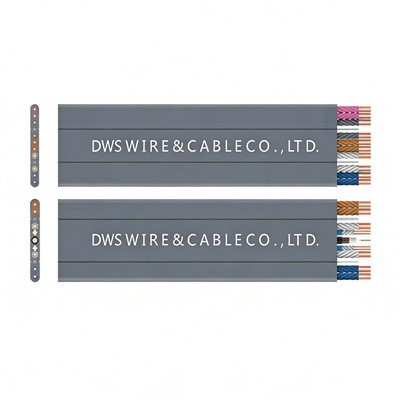
In conclusion, multi – core flexible cables can be used in harsh environments, provided that the appropriate materials, design, and testing are considered. As a supplier of multi – core flexible cables, we are committed to providing high – quality products that meet the specific requirements of our customers in harsh environments.
Flexible Cable If you are looking for reliable multi – core flexible cables for your harsh environment applications, we invite you to contact us for a consultation. Our team of experts can help you select the right cable for your needs and provide you with technical support throughout the installation and maintenance process.
References
- "Electrical Wiring Handbook" by Terrell Croft and Wilford Summers
- "Cable Engineering: Design, Installation, and Maintenance" by R. A. McMahon
- Industry standards such as IEC 60227 (Polyvinyl chloride insulated cables), IEC 60502 (Power cables with extruded insulation), and relevant ATEX and IECEx standards.
Cixi Davos Wire & Cable Co., Ltd.
As one of the most professional multi core flexible cable manufacturers and suppliers in China, we also support customized service. Please feel free to buy bulk high quality multi core flexible cable in stock here from our factory. For price consultation, contact us.
Address: No.3, Lane 91, Ruan Ding Road, Linxi Village, Xiaolin Town, Cixi City
E-mail: roy798@163.com
WebSite: https://www.cj-supplychain.com/
