As a supplier of vertical sewage pumps, I often receive inquiries from customers about various aspects of our products. One question that comes up quite frequently is about the vibration level of a vertical sewage pump during operation. In this blog, I’ll delve into this topic, sharing some insights based on our experience and industry knowledge. Vertical Sewage Pump

Understanding Vibration in Vertical Sewage Pumps
Vibration is an inevitable phenomenon in the operation of any mechanical equipment, and vertical sewage pumps are no exception. Vibration can be caused by a variety of factors, including the imbalance of rotating parts, misalignment of the pump shaft, and the characteristics of the fluid being pumped.
When a vertical sewage pump is in operation, the impeller rotates at high speed, creating forces that can lead to vibration. If the impeller is not perfectly balanced, it will generate uneven forces during rotation, causing the pump to vibrate. Similarly, if the pump shaft is not properly aligned with the motor shaft, it can also result in increased vibration.
In addition to mechanical factors, the properties of the sewage being pumped can also affect the vibration level. For example, if the sewage contains a large amount of solid particles or has a high viscosity, it can cause additional resistance and turbulence, leading to more pronounced vibration.
Importance of Controlling Vibration
Controlling the vibration level of a vertical sewage pump is crucial for several reasons. First and foremost, excessive vibration can cause damage to the pump components. Over time, the continuous shaking can lead to fatigue and wear of the bearings, seals, and other parts, reducing the lifespan of the pump and increasing the risk of breakdowns.
Secondly, high vibration levels can also have an impact on the performance of the pump. Excessive vibration can disrupt the flow of the sewage, reducing the efficiency of the pump and increasing energy consumption. In some cases, it can even cause cavitation, which is a phenomenon where vapor bubbles form in the fluid due to low pressure, further damaging the pump.
Finally, from a safety perspective, excessive vibration can pose a risk to the operators and the surrounding environment. The vibrations can be transmitted to the supporting structure, causing noise and potentially leading to structural damage. In extreme cases, it can even cause the pump to become unstable and fall, posing a serious safety hazard.
Measuring Vibration Levels
To ensure that the vibration level of a vertical sewage pump is within an acceptable range, it is necessary to measure it regularly. There are several methods for measuring vibration, including using vibration sensors and accelerometers.
Vibration sensors are devices that can detect the vibration of the pump and convert it into an electrical signal. These sensors can be installed on the pump casing or other parts of the pump to measure the vibration in different directions. Accelerometers, on the other hand, are more sensitive devices that can measure the acceleration of the vibration. They are often used to measure the high-frequency vibrations that are associated with the rotation of the impeller.
When measuring the vibration level, it is important to follow the relevant standards and guidelines. For example, the International Organization for Standardization (ISO) has established standards for the vibration limits of rotating machinery, including vertical sewage pumps. These standards provide a reference for determining whether the vibration level of a pump is within an acceptable range.
Factors Affecting Vibration Levels
As mentioned earlier, there are several factors that can affect the vibration level of a vertical sewage pump. Let’s take a closer look at some of these factors:
- Imbalance of Rotating Parts: As mentioned earlier, an imbalance in the impeller or other rotating parts can cause uneven forces during rotation, leading to vibration. To minimize this problem, it is important to ensure that the impeller is properly balanced during the manufacturing process.
- Misalignment of the Pump Shaft: If the pump shaft is not properly aligned with the motor shaft, it can cause additional stress on the bearings and other components, leading to increased vibration. To prevent this, it is important to ensure that the pump and motor are properly aligned during installation.
- Fluid Characteristics: The properties of the sewage being pumped, such as its viscosity, density, and solid content, can also affect the vibration level. For example, if the sewage contains a large amount of solid particles, it can cause additional resistance and turbulence, leading to more pronounced vibration.
- Operating Conditions: The operating conditions of the pump, such as the flow rate, head, and speed, can also have an impact on the vibration level. For example, if the pump is operating at a high flow rate or head, it can cause the impeller to experience more stress, leading to increased vibration.
Strategies for Reducing Vibration
To reduce the vibration level of a vertical sewage pump, several strategies can be employed. Here are some of the most effective ones:
- Proper Installation: Ensuring that the pump is properly installed is crucial for reducing vibration. This includes ensuring that the pump is level, the foundation is stable, and the pump and motor are properly aligned.
- Regular Maintenance: Regular maintenance is essential for keeping the pump in good condition and reducing vibration. This includes checking the alignment of the pump shaft, the balance of the impeller, and the condition of the bearings and seals.
- Use of Vibration Isolation Devices: Vibration isolation devices, such as rubber mounts and springs, can be used to reduce the transmission of vibration from the pump to the supporting structure. These devices can help to absorb the vibrations and prevent them from causing damage to the surrounding environment.
- Optimization of Operating Conditions: By optimizing the operating conditions of the pump, such as the flow rate, head, and speed, it is possible to reduce the vibration level. This can be achieved by adjusting the pump settings or using a variable frequency drive to control the speed of the pump.
Conclusion
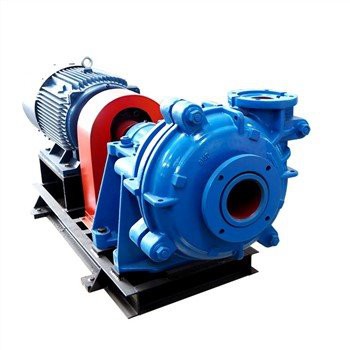
In conclusion, the vibration level of a vertical sewage pump during operation is an important factor that needs to be carefully considered. Excessive vibration can cause damage to the pump components, reduce the efficiency of the pump, and pose a safety hazard. By understanding the factors that affect vibration and implementing appropriate strategies for reducing it, it is possible to ensure that the pump operates smoothly and efficiently.
Vertical Slurry Pump If you are interested in purchasing a vertical sewage pump or have any questions about our products, please feel free to contact us. We have a team of experienced professionals who can provide you with detailed information and help you choose the right pump for your needs.
References
- ISO 10816-3:2009, Mechanical vibration – Evaluation of machine vibration by measurements on non – rotating parts – Part 3: Industrial machines with nominal power above 15 kW and nominal speeds between 120 r/min and 15 000 r/min when measured in situ.
- Hydraulic Institute Standards, which provide guidelines for the design, installation, and operation of pumps.
- Technical literature from pump manufacturers, which often includes information on vibration levels and how to control them.
Hebei Tongda Pump Co., Ltd.
Hebei Tongda Pump Co., Ltd. is well-known as one of the leading vertical sewage pump manufacturers and suppliers in China. Our factory offers high quality vertical sewage pump made in China with competitive price. Welcome to contact us for pricelist.
Address: No.158, Bo Ming Xi Lu, Boye County, Baoding City, Hebei Province
E-mail: wendy@hbtdby.com
WebSite: https://www.waterpumpmanufacturer.com/
