Can a Clean Bench be used in a cleanroom?
As a supplier of clean benches, I often encounter questions from customers about the compatibility of clean benches with cleanrooms. This topic is crucial for industries that require strict control of environmental cleanliness, such as pharmaceuticals, biotechnology, electronics, and semiconductor manufacturing. In this blog, I will explore the feasibility of using a clean bench in a cleanroom, the benefits and limitations, and provide some practical considerations for making the right choice. Clean Bench
Understanding Clean Benches and Cleanrooms
Before delving into the question of whether a clean bench can be used in a cleanroom, it’s essential to understand the basic concepts of these two components.
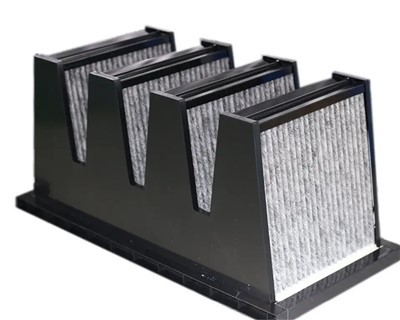
A clean bench, also known as a laminar flow bench, is a workbench designed to provide a controlled, particle-free environment for performing sensitive tasks. It uses a HEPA (High-Efficiency Particulate Air) or ULPA (Ultra-Low Penetration Air) filter to remove airborne particles from the incoming air, creating a laminar flow of clean air over the work surface. Clean benches are available in two main types: horizontal and vertical laminar flow. Horizontal laminar flow clean benches blow air horizontally across the work surface, while vertical laminar flow clean benches blow air vertically downwards.
On the other hand, a cleanroom is a controlled environment with a low level of environmental pollutants such as dust, airborne microbes, aerosol particles, and chemical vapors. Cleanrooms are classified based on the number of particles per cubic meter of air at a specified particle size. The most common cleanroom classifications are ISO 1 to ISO 9, with ISO 1 being the cleanest and ISO 9 being the least clean. Cleanrooms are typically used in industries where product quality and safety are critical, such as semiconductor manufacturing, pharmaceutical production, and medical device assembly.
Can a Clean Bench be Used in a Cleanroom?
The short answer is yes, a clean bench can be used in a cleanroom. In fact, clean benches are often used in cleanrooms to provide an additional layer of protection for sensitive processes and products. By using a clean bench within a cleanroom, you can further reduce the risk of contamination and ensure a higher level of cleanliness.
There are several reasons why using a clean bench in a cleanroom can be beneficial:
- Enhanced Contamination Control: Clean benches provide a localized area of high cleanliness, which can help protect sensitive processes and products from contamination. By using a clean bench in a cleanroom, you can create a double layer of protection, reducing the risk of particles and microorganisms entering the work area.
- Flexibility: Clean benches are relatively easy to install and can be moved around within a cleanroom as needed. This makes them a flexible solution for different types of processes and applications.
- Cost-Effectiveness: Using a clean bench in a cleanroom can be a cost-effective way to achieve a higher level of cleanliness. Instead of building a larger cleanroom, you can use a clean bench to create a smaller, more controlled work area.
However, there are also some limitations to using a clean bench in a cleanroom:
- Limited Workspace: Clean benches typically have a limited workspace, which may not be suitable for larger processes or applications. If you need to work with larger equipment or materials, you may need to consider using a larger cleanroom or a different type of clean bench.
- Airflow Interference: The airflow from a clean bench can interfere with the airflow in a cleanroom, which can affect the overall cleanliness of the environment. It’s important to ensure that the clean bench is installed and operated correctly to minimize airflow interference.
- Maintenance Requirements: Clean benches require regular maintenance to ensure that they are functioning properly. This includes replacing filters, cleaning the work surface, and performing regular inspections. If the clean bench is not maintained properly, it can become a source of contamination.
Practical Considerations for Using a Clean Bench in a Cleanroom
If you are considering using a clean bench in a cleanroom, there are several practical considerations that you should keep in mind:
- Cleanroom Classification: The classification of the cleanroom will determine the level of cleanliness required for the clean bench. Make sure that the clean bench you choose is compatible with the cleanroom classification and meets the necessary standards.
- Airflow Direction: The airflow direction of the clean bench should be compatible with the airflow direction in the cleanroom. Horizontal laminar flow clean benches are typically used in cleanrooms with horizontal airflow, while vertical laminar flow clean benches are used in cleanrooms with vertical airflow.
- Size and Capacity: Consider the size and capacity of the clean bench based on your specific needs. Make sure that the clean bench has enough workspace to accommodate your equipment and materials, and that it can handle the volume of work you need to perform.
- Installation and Placement: The clean bench should be installed and placed in a location that minimizes airflow interference and maximizes the effectiveness of the cleanroom. Make sure that the clean bench is installed on a level surface and that it is properly grounded.
- Maintenance and Monitoring: Regular maintenance and monitoring are essential to ensure that the clean bench is functioning properly and that the cleanroom remains clean. Make sure that you have a maintenance schedule in place and that you perform regular inspections and filter replacements.
Conclusion

In conclusion, a clean bench can be used in a cleanroom to provide an additional layer of protection for sensitive processes and products. By using a clean bench in a cleanroom, you can enhance contamination control, increase flexibility, and achieve a higher level of cleanliness. However, it’s important to consider the limitations of using a clean bench in a cleanroom and to take the necessary steps to ensure that the clean bench is installed and operated correctly.
Air Filter Element If you are interested in learning more about clean benches and how they can be used in a cleanroom, please contact us. Our team of experts can provide you with more information and help you choose the right clean bench for your specific needs. We look forward to working with you to ensure the success of your cleanroom operations.
References
- ISO 14644-1:2015, Cleanrooms and associated controlled environments — Part 1: Classification of air cleanliness.
- US Federal Standard 209E, Cleanrooms and Workstations for Controlled Environments.
- Pharmaceutical cGMPs for the 21st Century — A Risk-Based Approach, US Food and Drug Administration.
Snyli Environmental Technology (Shandong) Co., Ltd.
Snyli Environmental Technology (Shandong) Co., Ltd. is well-known as one of the leading clean bench manufacturers and suppliers in China. Please feel free to wholesale high quality clean bench at competitive price from our factory. Contact us for more details.
Address: Room 907, Building 1, Qisheng Plaza, 1666 Xinluo Street, Jinan Area, China (Shandong) Pilot Free Trade Zone
E-mail: info@snyli.com
WebSite: https://www.snylifilter.com/
